

Blue Origin has filed a Notice of Proposed Construction or Alteration with the Federal Aviation Administration, signaling plans to build a second launch pad infrastructure at Cape Canaveral Space Force Station.


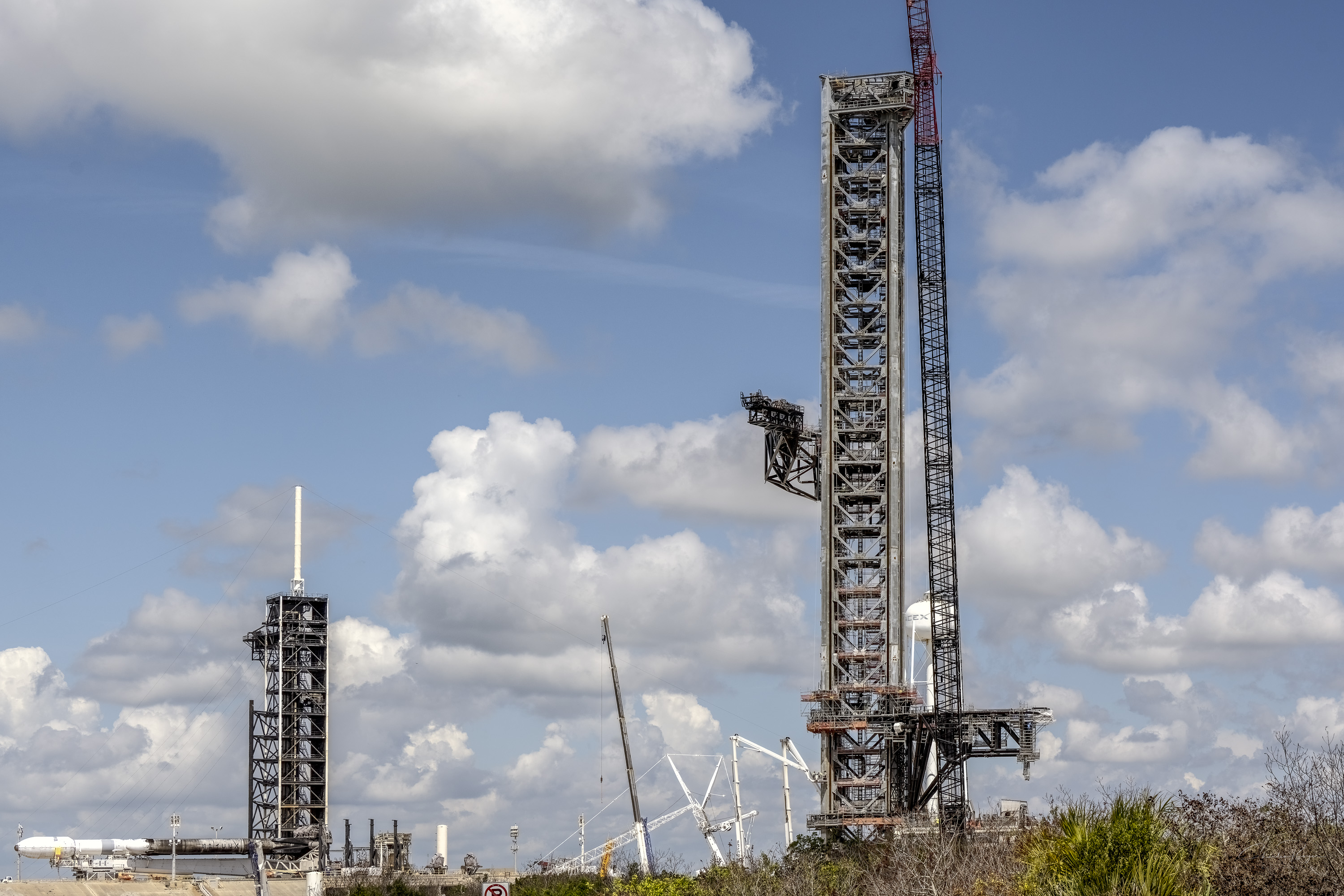
The filing outlines plans to construct a 500-foot Launch Umbilical Tower at Space Launch Complex 36B/11, along with a 600-foot Lightning Protection System tower designed to shield both the umbilical tower and any New Glenn rocket staged on the pad. The lightning protection structure would rank among the tallest structures on the Cape’s launch range.
The proposed site sits just north of Blue Origin’s existing facilities at SLC-36, where New Glenn currently operates. Launch Complex 11 was one of four Atlas missile launch sites along Missile Row at what was then Cape Canaveral Air Force Station, active from 1958 to 1964. After Atlas missile testing ended, the site was dismantled and left idle for over 50 years. Blue Origin signed a lease to use LC-11 to test its BE-4 engine, which powers New Glenn’s first stage, in 2016. The new filing suggests the former engine test site could now be incorporated into the SLC-36 footprint as a fully operational second launch pad.
Good Timing
The timing makes sense. New Glenn is scheduled to launch Blue Origin’s Blue Moon Mark 1 lunar lander on robotic missions planned for 2026 and 2027, and the company faces a growing commercial manifest that includes dozens of Amazon Project Kuiper broadband satellites in the years ahead.
A single pad creates scheduling pressure. Any anomaly, pad maintenance, or extended turnaround between missions could ground the rocket for weeks. A second launch tower directly addresses that vulnerability by giving Blue Origin the flexibility to process two vehicles in parallel.

Blue Origin invested more than $1 billion to rebuild LC-36 from the ground up. Completed in 2021, it serves as the home of New Glenn’s launch pad, vehicle integration, first-stage refurbishment, propellant facilities, and environmental control center. A second pad built to complement that infrastructure would effectively double the complex’s throughput without requiring an entirely new support ecosystem.

New Glenn has completed two flights from LC-36, with a third expected in the next two or three weeks. On November 13, 2025, the first stage successfully landed on the Landing Platform Vessel Jacklyn positioned 375 miles offshore in the Atlantic Ocean, making Blue Origin the second company, behind SpaceX, to successfully deploy a spacecraft in orbit while landing the vehicle’s booster.
Just The Start Of The Process
The FAA filing is an early procedural step, not a construction approval. It initiates the regulatory review process required before any structure of that height can be built near an active airspace corridor. A formal environmental review and additional approvals would follow before any groundbreaking could occur. Those reviews take time, so don’t expect it to happen this month or even this summer.

Author: Charles Boyer
NASA kid from Cocoa Beach, FL, born of Project Apollo parents and family. I’m a writer and photographer sharing the story of spaceflight from the Eastern Range here in Florida.


Leave a Reply