

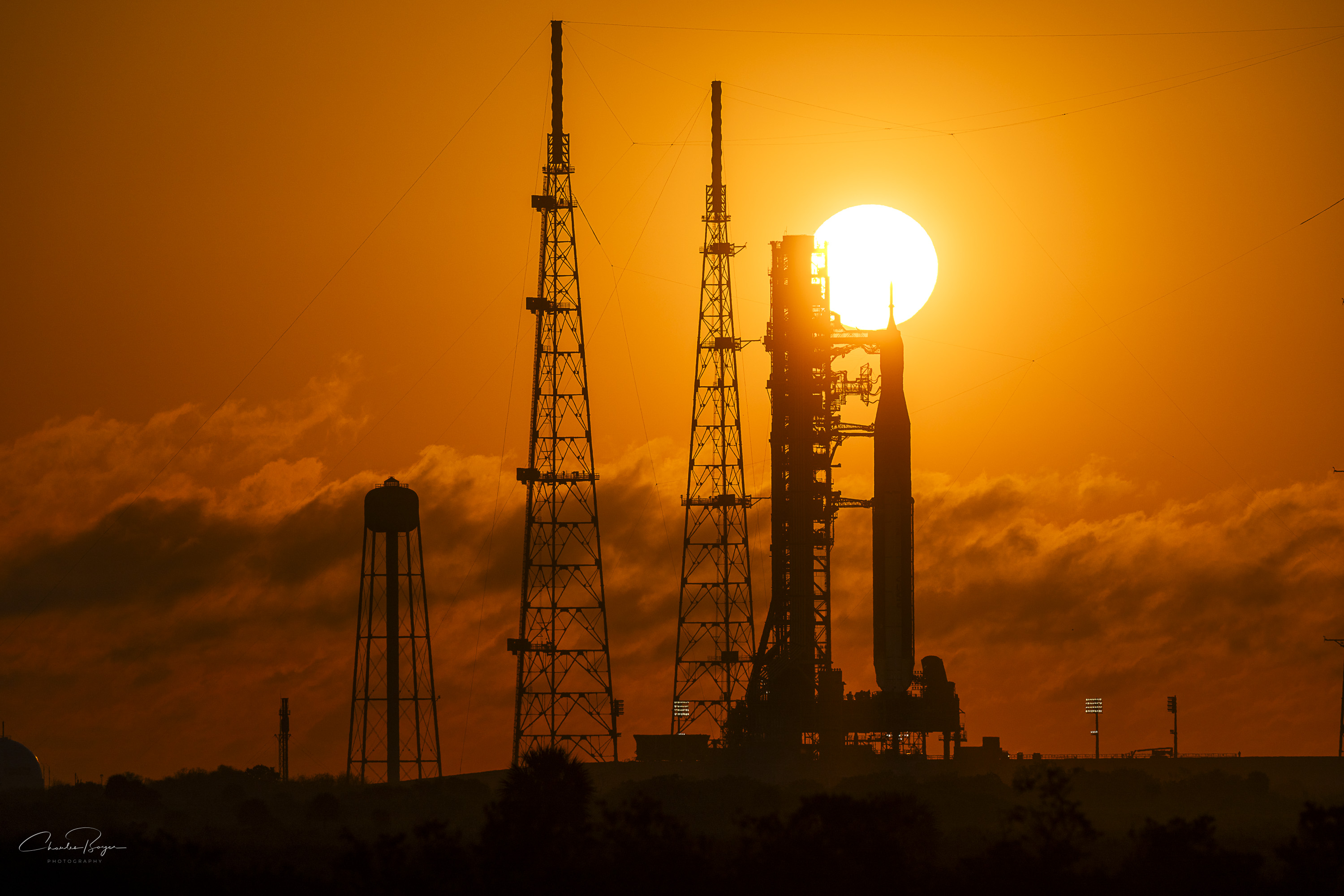
Engineers and technicians inside the Vehicle Assembly Building at Kennedy Space Center have identified and repaired the component that prevented helium from flowing to the ICPS upper stage of the Artemis II Space Launch System rocket, and work is now underway to prepare the vehicle for a return to the launch pad and a potential April liftoff.

The SLS rocket and Orion spacecraft were rolled back to the VAB on February 25 after engineers discovered an interruption in helium flow to the rocket’s Interim Cryogenic Propulsion Stage overnight on February 21 — less than two days after completing a successful second wet dress rehearsal.
NASA said today that after engineers accessed the launch vehicle stage adapter and inspecting the hardware, they determined that a seal inside the quick disconnect — the interface through which helium flows from ground systems into the rocket — had become dislodged and was blocking the pathway. The team removed the quick disconnect, reassembled it, and has begun validating the repair by running helium through the mechanism at a reduced flow rate to confirm the obstruction is cleared. Engineers are now working to determine what caused the seal to shift in the first place, with an eye toward preventing a recurrence.
The helium system is critical to the ICPS upper stage. It maintains proper environmental conditions around the RL-10 engine and pressurizes the liquid hydrogen and liquid oxygen propellant tanks for flight. As NASA outlined at a press conference on February 27, the data made clear that launch was not possible without restoring helium flow to the upper stage.

While the helium repair has been the primary focus, NASA has used the time in the VAB to address a number of other maintenance items in parallel. A new set of flight termination system batteries is being activated ahead of end-to-end retesting, and flight batteries on the upper stage, core stage, and solid rocket boosters are being replaced. The Orion launch abort system batteries are also being recharged. Separately, work to replace a seal on the core stage liquid oxygen feed line began on March 2. Once that replacement is complete, teams will reassemble the oxygen tail service mast umbilical plate and run integrity tests to verify the seal interface.

The oxygen line seal work adds to the list of repairs already in progress following the first wet dress rehearsal on February 3, when a liquid hydrogen leak at the tail service mast umbilical pushed the mission off the February launch window entirely.
NASA says work on the rocket and spacecraft will continue in the coming weeks, with a rollout back to Launch Pad 39B targeted for later this month. If all goes to plan, Artemis II would be in position for an April launch attempt — the third window since the vehicle first rolled out to the pad in January.

Author: Charles Boyer
NASA kid from Cocoa Beach, FL, born of Project Apollo parents and family. I’m a writer and photographer sharing the story of spaceflight from the Eastern Range here in Florida.


Leave a Reply