

Bloomberg reported Thursday that SpaceX has begun turning away satellite operators seeking dedicated Falcon 9 launches beyond 2028, citing “people familiar with the matter.” The company has also stopped accepting new reservations for its Falcon 9 rideshare program, the missions that pack dozens of smallsats onto a single booster. SpaceX has not publicly responded to the article at the time of this writing.

The article also stated that SpaceX has also halted production of some non-reusable Falcon hardware, including the rocket’s expendable upper stage, according to the report. That is not a scheduling decision. That is a supply chain decision, and it is much harder to reverse. Factory lines and tooling are not established overnight, nor are they rebuilt in the same amount of time if they are needed in the future.
What It Means For the Cape

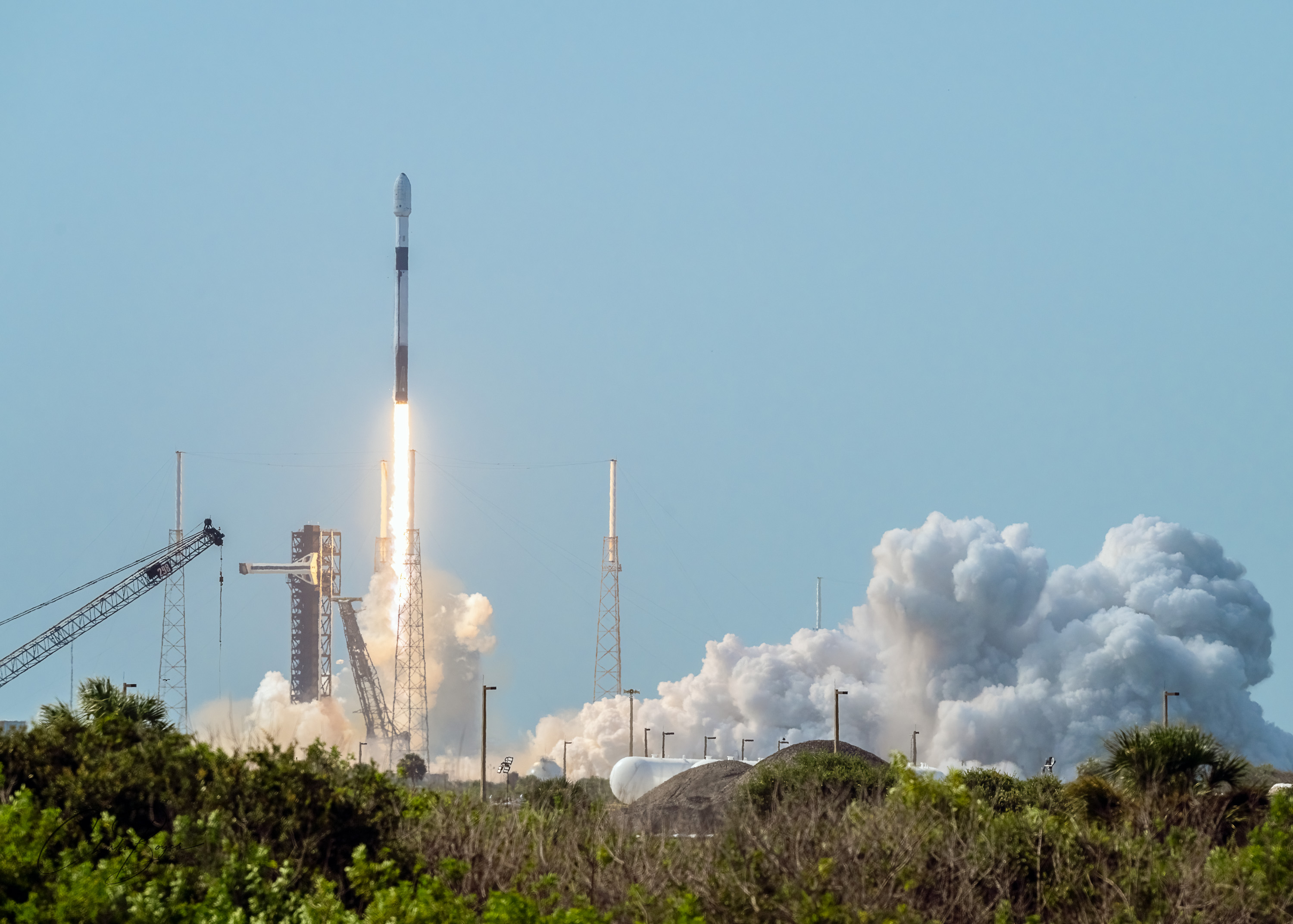
Falcon 9 flies often from SLC-40 and LC-39A. Those pads have driven the launch cadence that reshaped Brevard County over the past decade.
The Bloomberg reporting indicates Falcon 9 is still expected to serve certain NASA and Defense Department missions. Also, as one of three crew-rated rockets in the US, Crew Dragon flights still need a Falcon to power them to low Earth orbit. As the only viable space taxi for ISS-bound astronauts, Crew Dragon and Falcon 9 will have a lot of life in them. Falcon 9 and Falcon Heavy will not disappear entirely, even after Starship is flying regularly from the Cape.
The area has been spoiled for the past few years with a Falcon 9 launching every few days, but those launches are set to be replaced by the thundering Starship in the next few years. Starship reaching the cadence of Falcon 9 here at the Cape is probably a few years away.

Starship Set To Replace Falcon 9

Starship remains behind schedule. Flight 13 is on the board, but the vehicle has not yet demonstrated the operational reusability the entire business case depends on. The first Starship test flight was in 2023, and three years later, the vehicle has yet to make orbit and fully demonstrate its capabilities.
Wall Street has noticed. Once past the exhuberance of the SPCX has traded below its initial $135 price, and HSBC opened coverage this week with a hold rating and a $115 target.
That first orbital flight will probably come this year, and SpaceX is working day and night to construct two Starship launch facilities at the Cape. The company says it plans to launch Starship from here late this year, and at this point, in mid-summer, it looks entirely possible; if not, then by the end of the year, or very early in 2027.

Photo: Charles Boyer
Can The Competition Fill The Gap?
SpaceX’s ostensible competitors are not in a strong position to fill the gap at this point in time. Two major competitors are grounded, and three others are also working to finish new rockets and prepare for maiden flights.
Blue Origin’s New Glenn remains in limbo after an explosion on the pad during a hot-fire test prior to the rocket’s fifth flight. Blue Origin’s CEO has been outlining progress on pad repairs for New Glenn, and the company is making quick progress on the complex task of rebuilding its launch facility at Cape Canaveral’s LC-36. Blue Origin’s target to return to flight is late this year.

Northrop-Grumman and Firefly are over a year late with Antares 330. The original target was mid-2025 for the first Antares 330 flight from Wallops LP-0A, but as of now the vehicle has yet to launch. The current placeholder for the debut of Antares 330 is Cygnus NG-24, listed around late December 2026 on the launch trackers.
United Launch Alliance and its vendor, Northrop Grumman, are also working on delivering new GEM-63XL solid rocket boosters for Vulcan, which is also grounded for the time being. All Vulcan flights thus far have been successful, but two were dogged by issues with the Northrop-built solid rocket boosters. The US Space Force has yet to clear Vulcan to return to flight, and has been shuffling flights away from that platform and onto Falcon 9 and Falcon Heavy in the meantime. Industry observers expect Vulcan to remain on the ground this year, with its return early in 2027. In the meantime, Vulcan’s customers are on hold, waiting for the vehicle to come back online.

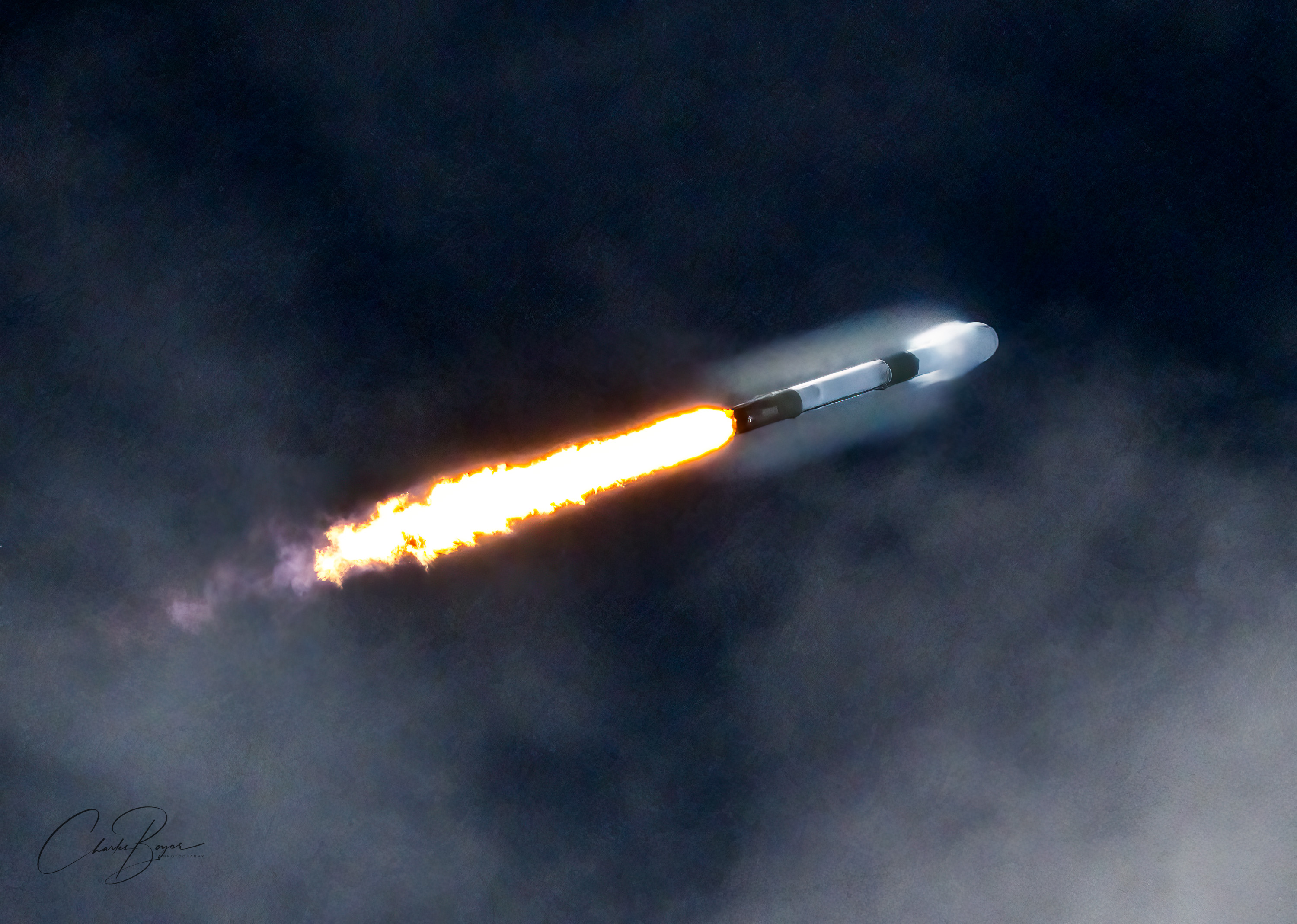
Photo: Charles Boyer / Talk of Titusville
Rocket Lab is positioned as an obvious beneficiary if Falcon availability tightens before Neutron matures. Neutron, like most new rocket projects, is late, and it may be 2027 before it makes its debut, but the company is showing palpable signs of progress: Neutron’s Archimedes engine testing has hit milestones recently, and the commercial side for Neutron is strong. Rocket Lab sold a block of five Neutron flights plus three Electron flights to an undisclosed customer in May, a contract that beat their previous $190M record. That’s five dedicated commercial missions booked before the rocket has flown once.
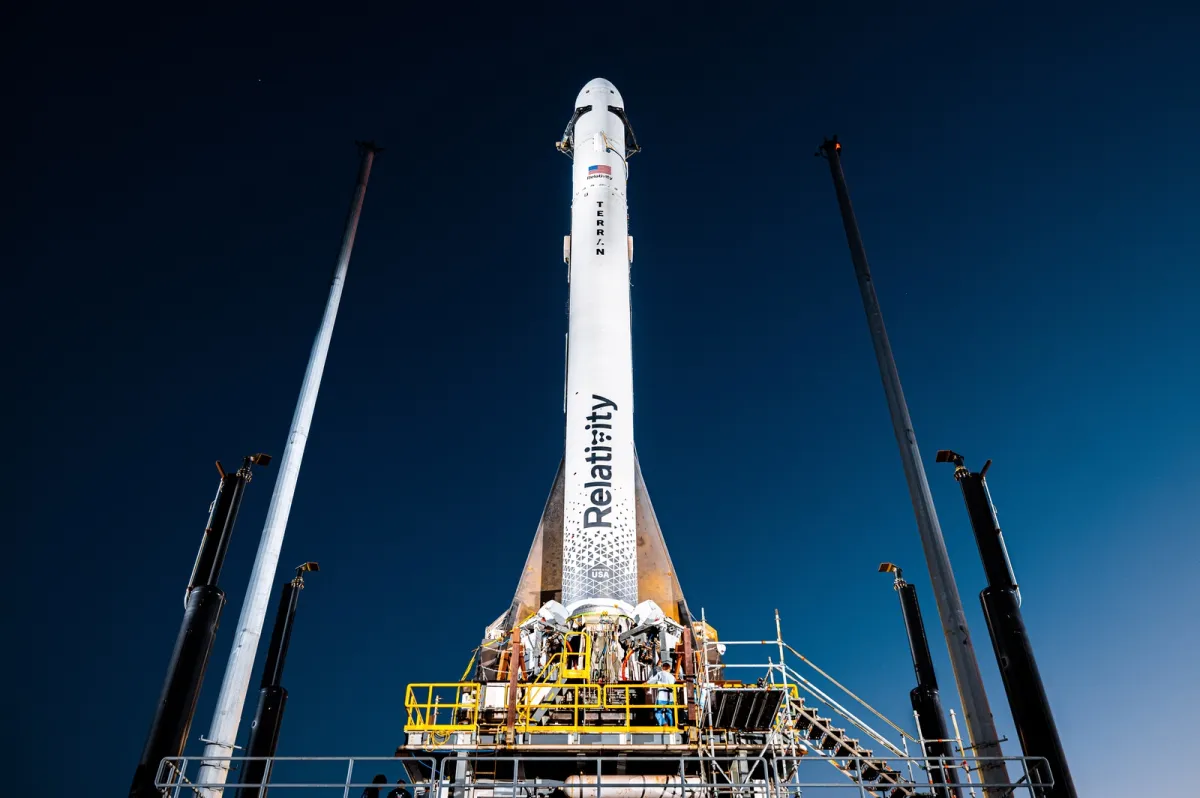
There are also new entrants to the medium-launch market: Relativity Space and Stoke Space plan to fly their new rockets sometime next year, and over time, they could help fill the gap left by Falcon 9. Both companies plan to launch from Cape Canaveral and are building launch facilities there. How long it takes them to get their new launch systems to the pad and into orbit remains to be seen, but it looks like both will launch by mid-2027 at the latest.

So, while Falcon 9 is starting to fade away, there are a number of replacements set to vie for the business that the venerable rocket has dominated. Falcon 9 won’t go away entirely, not for a long time, but it currently looks like there will be a plethora of launch vehicles flying from Florida in just a year or two, and also that there will be far fewer Falcon 9 and Falcon Heavy rockets in the mix. Stay tuned.

Author: Charles Boyer
NASA kid from Cocoa Beach, FL, born of Project Apollo parents and family. I’m a writer and photographer sharing the story of spaceflight from the Eastern Range here in Florida.


Leave a Reply