


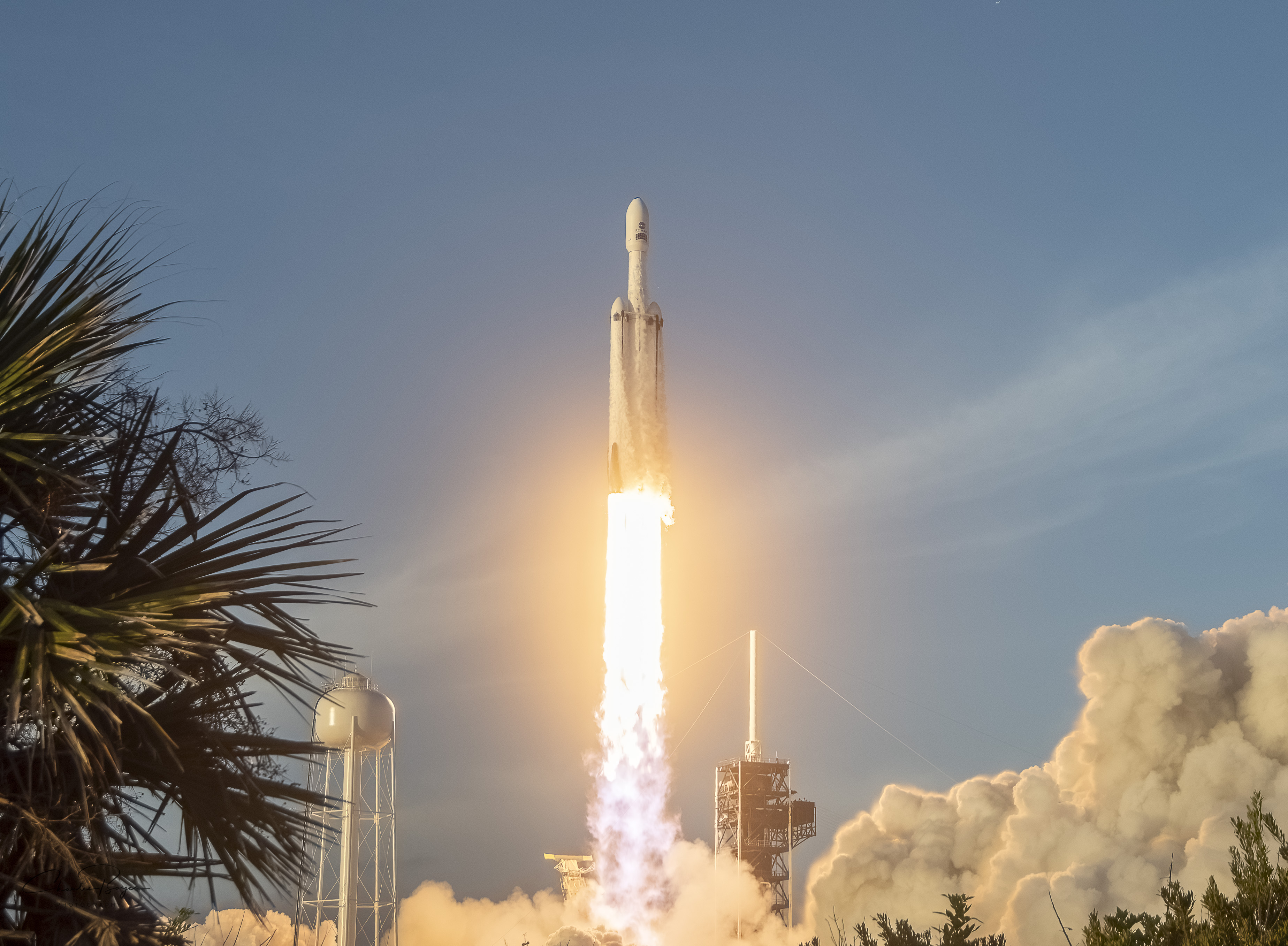
SpaceX is preparing for the 13th integrated flight test of Starship, with a 90-minute launch window opening at 6:45 p.m. Eastern on Thursday, July 16, from the company’s Starbase site in South Texas. The mission is the second flight of the V3 configuration of the vehicle and its 13th flight overall.


The test regimen is familiar: liftoff from Texas, transit the Caribbean and eventually land in the Indian Ocean. The ship is not planned to go orbit. The main change is the payload. Where earlier flights carried mass simulators, Flight 13 will deploy 20 working Starlink V3 satellites, which are expected to extend solar arrays and antennas and then attempt to link with a ground station in South Africa and with other satellites in the constellation. Because the satellites share Starship’s suborbital trajectory, they will reenter and burn up roughly 20 minutes after deployment. SpaceX says the V3 design adds about 60 terabits per second of capacity, more than 20 times what a single Falcon 9 mission delivers.
A live webcast of the flight test will begin about 30 minutes before liftoff, which you can watch here and on X @SpaceX. The company advises interested people to follow their account in the days leading up to the launch, given that schedules are subject to change due to technical and/or weather concerns.
Effects On The Space Coast

Since the launch is in Texas, the direct effects of Flight 13 on the Space Coast are minimal in the near term. The future effects, however, will help determine when Starship is launched from the Cape. The two launch pads currently under construction here are another gating item, of course, but having an operational space vehicle is obviously the most important milestone.
Should Flight 13 go well, then SpaceX can move to the next items on its development timeline; if not, progress will be slowed to some degree. Obviously, that timeline is of high interest here in Florida.

Fixes From Previous Flights
Flight 12, which launched May 22nd, was largely successful but ended without a controlled splashdown of the Super Heavy booster. SpaceX traced the problem to engine startup on the upper stage while it was still attached to the booster, saying slight differences in ignition threw the booster’s directional flip off by roughly 90 degrees. Five Raptor engines then failed to light for the boostback burn, cutting it short.
The FAA has since closed its mishap investigation, citing heat effects on propulsion system components during ascent and incorrect engine alarm settings as the two most probable root causes. The agency accepted four corrective actions from SpaceX and cleared the company to proceed with Flight 13 operations.

SpaceX says the startup sequence has been revised to tolerate timing variability and flip the booster more reliably, and that Booster 20 carries hardware changes to improve relight reliability along with updated engine alarms and abort logic.
Heat Shield Instrumentation
Six of the 20 Starlink satellites carry camera suites to image Starship’s heat shield in flight and transmit the results to operators, part of an effort to assess tile readiness for eventual return-to-launch-site attempts. Several tiles have been painted white to stand in for missing ones and act as imaging targets. Load-sensing tiles will also record real-time stresses during entry, and new tile designs and attachment methods are being tested on the aft flaps and skirts.

Flight Profile
The upper stage will attempt to relight a single Raptor engine in space, then execute a controlled splashdown in the Indian Ocean. Super Heavy will target a landing at sea. The in-space reignition is the gating item for orbital flight, operational Starlink deployment, and NASA’s Artemis III and IV lander requirements.

A full 33-engine static fire of Booster 20 was completed July 9. A clean Flight 13 could open the door to the first orbital Starship launch on the following mission.

Author: Charles Boyer
NASA kid from Cocoa Beach, FL, born of Project Apollo parents and family. I’m a writer and photographer sharing the story of spaceflight from the Eastern Range here in Florida.



Leave a Reply