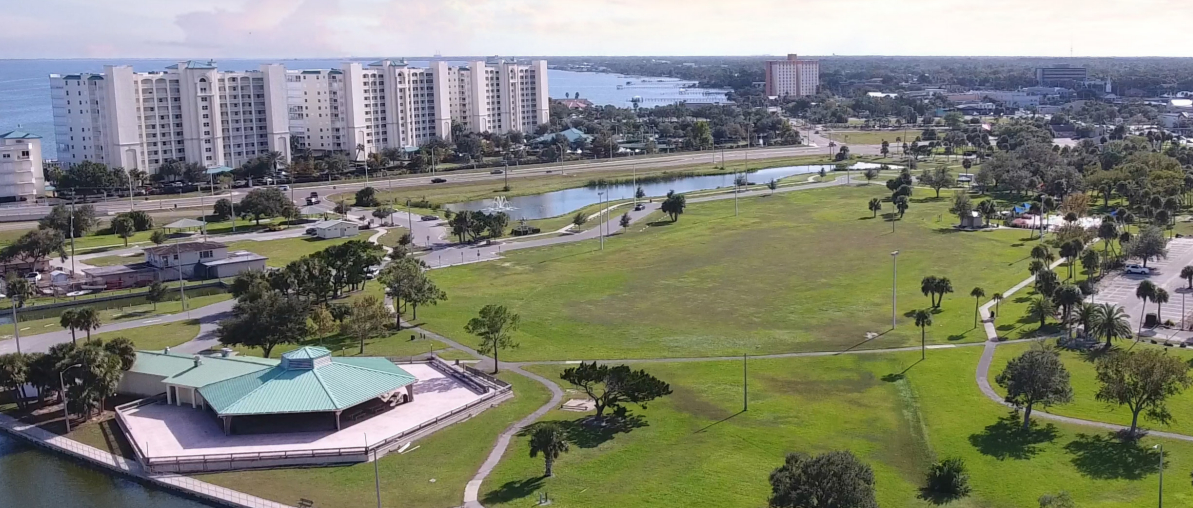


Photo: Sierra Space
Sierra Space’s Dream Chaser has spent years as the spaceplane that is always just about ready to fly. After 22 years of development, it still has not.
A completed vehicle sits in Louisville, Colorado, waiting for a ride to orbit. Today, its future and its mission are unclear. Tenacity is finished and waiting, but the mission around it looks very different from what it did just two years ago. Instead of a set of missions ferrying cargo to and from ISS, NASA has released Sierra Space from its cargo delivery/return contract. Sierra has pivoted the Dream Chaser towards the burgeoning defense sector in low Earth orbit. Instead of several flights for NASA on its manifest, it now has only one on the books: SSC Demo-1, the free-flyer demonstration targeted for year-end 2026.
After that is anyone’s guess.

Reading Tea Leaves – The Current Status of Dream Chaser
Sierra Space is typical tight-lipped and parsimonious with updates, but the following status can be gleaned through PR releases and various articles by the space press.
Current Status
Location: Sierra Space’s factory in Louisville, Colorado. Tenacity returned there in April 2026 after finishing its final launch certification test, acoustic testing, at Kennedy Space Center’s Space Systems Processing Facility.
What’s happening now: Sierra Space said in late April it was attaching the last batch of thermal protection tiles and preparing for a final integrated flight software load test over the summer, the step meant to clear the vehicle for flight. Remaining work also includes propulsion hot-fire tests and mission-specific modifications for national security applications.
Next move: After the Colorado work, Tenacity is to ship back to Florida for final launch preparations.
Target: First flight around year-end 2026, on a ULA Vulcan Centaur from Cape Canaveral, ending with a runway landing at Vandenberg Space Force Base.
Most recent detailed reporting located dates to late April and May 2026. Status may have advanced since.
A Long, Long, Long Road To Space
The idea of Dream Chaser is older than anyone under forty. And it’s not even an American conception.
The concept of what has become Dream Chaser got its start in the Soviet Union as early as 1973, where the Soviet BOR-4 was a half-scale lifting-body prototype built by the Mikoyan-Gurevich design bureau under the Spiral military spaceplane program.
The uncrewed BOR-4 craft flew four suborbital and orbital tests between 1982 and 1984 successfully. Those flights studied hypersonic reentry and tested thermal protection tiles for the Buran shuttle, the Soviet answer to the US space shuttle program.
Since 1983, NASA studied the idea of an American version of the BOR-4, and various iterations of the spacecraft have paved the way for the Dream Chaser, and its promise as a small ferry has persisted for two full generations. That’s a long time, of course, but good ideas never truly go away. Today, the end product of 43 years of development is Tenacity.

Dream Chaser: A Brief History
| Year | Milestone |
|---|---|
| 1983 | NASA Langley begins studying the Soviet BOR-4 lifting body after spy photos surface, seeding the shape. |
| 1990 | Langley unveils the HL-20 Personnel Launch System concept. A full-scale mockup is built with two North Carolina universities. |
| 1993 | NASA cancels the HL-20 after four years of study. No flight hardware is ever built. |
| 2004 | SpaceDev revives the design as Dream Chaser, announced publicly in September. |
| 2006 | SpaceDev licenses the HL-20 concept from NASA, which ships the old mockup to the company. |
| 2008 | Sierra Nevada Corporation acquires SpaceDev, and with it Dream Chaser, for about $38 million. |
| 2016 | NASA awards Dream Chaser a CRS-2 cargo contract with a minimum of seven ISS resupply flights. |
| 2017 | A test article completes a free-flight glide and autonomous runway landing at Edwards Air Force Base. |
| 2019 | Sierra Space selects ULA’s Vulcan Centaur to launch the first six contracted Dream Chaser missions. |
| 2021 | Sierra Space spins off from Sierra Nevada as an independent company and takes over the program. |
| 2024 | Tenacity finishes Ohio testing and arrives at Kennedy Space Center in May. Sierra gives up its Vulcan slot in June, slipping the debut. |
| Sept 2025 | NASA restructures the contract. The seven guaranteed flights are dropped, and the debut becomes a single free-flyer demo. |
| April 2026 | Tenacity completes acoustic testing at KSC, its last certification hurdle, then returns to Colorado for final work. |
| Today | In Louisville for tile work and a summer software load test, targeting a year-end first flight. One firm mission on the manifest. |


Leave a Reply