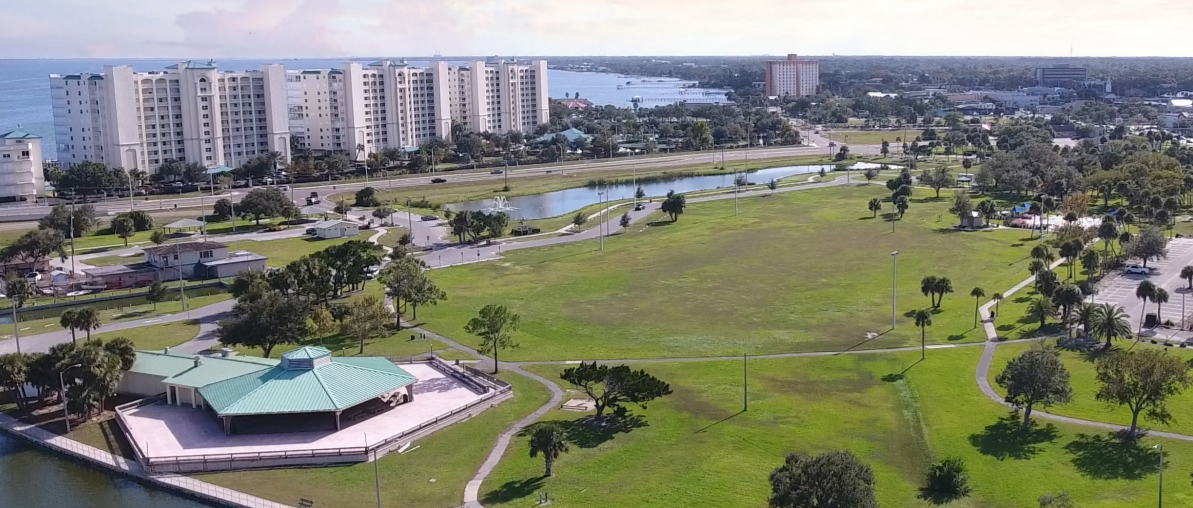

The Titusville City Council is set to decide on a $70,000 settlement during its meeting on Tuesday night, which stems from a lawsuit filed by a local resident on behalf of her minor child. The lawsuit was initiated after the child contracted a bacterial infection allegedly linked to a sewer spill at Sand Point Park in December 2020.

The lawsuit, filed in November 2021, alleges that the City of Titusville was negligent in maintaining its sewage infrastructure, leading to a significant spill that contaminated retention ponds at Sand Point Park. Over 7.2 million gallons of sewage reportedly leaked into the park’s ponds before city officials discovered the ruptured sewer pipe, three days after the spill began.
The juvenile who had been paddleboarding and swimming in the Indian River Lagoon near the park, began experiencing severe symptoms shortly after his outings. The boy’s condition deteriorated, leading to a prolonged hospital stay of more than two months, during which he underwent multiple rounds of chemotherapy. Despite these treatments, the young boy remains unable to walk.
The lawsuit asserts that the bacterial infection was directly linked to the sewage spill, a claim supported by the boy’s physician. The case was further complicated by another individual who contracted the same bacterial infection after swimming near Sand Point Park during the same period.
In August 2024, a tentative settlement agreement was reached, proposing that the City of Titusville pay $70,000 to resolve the lawsuit. The city’s defense counsel, Jennifer Barron, along with the city’s Risk Manager, have recommended that the City Council approve this settlement.
During Tuesday’s meeting, the City Council will have the option to either approve the $70,000 settlement, deny it, or take another course of action deemed appropriate. The funds for the settlement would come from the city’s General Liability Loss Fund.
The decision on this matter comes nearly four years after the initial incident, which not only prompted legal action but also led to a $200,000 fine from `the Florida Department of Environmental Protection. The fine was later mitigated by the city through the installation of plant-filled floating islands to absorb excess nutrients in the park’s ponds.
The City Council’s decision will mark a significant development in a case that has drawn attention to the city’s infrastructure management and its impact on public health.




Leave a Reply