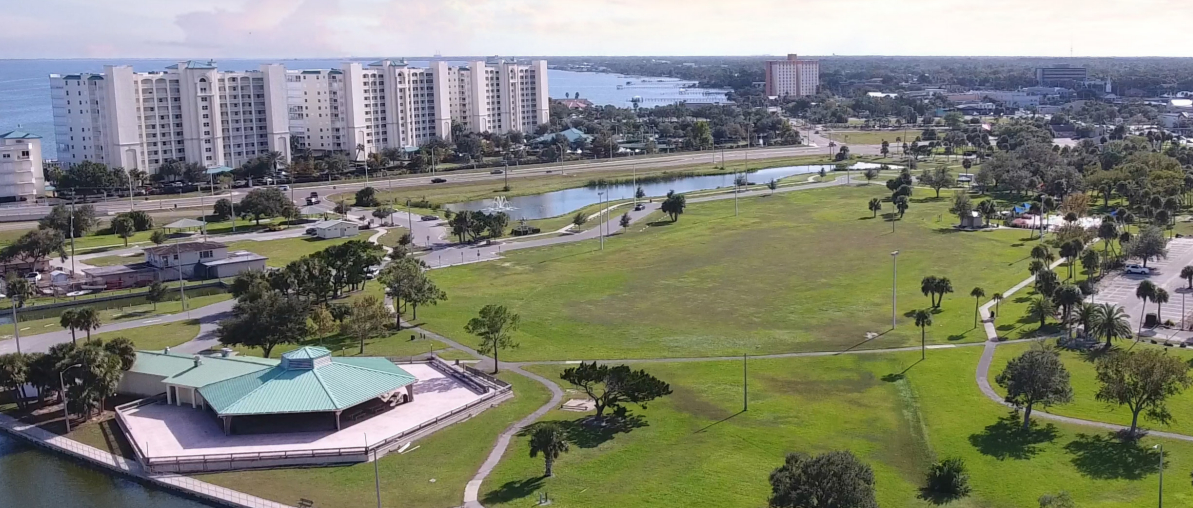


Photo: Charles Boyer / Talk of Titusville
NASA and Boeing are advancing the certification process for Boeing’s CST-100 Starliner spacecraft following its Crew Flight Test to the International Space Station (ISS). Joint teams are addressing in-flight anomalies and planning propulsion system tests in preparation for Starliner’s upcoming missions.


Starliner’s Flights Have Been Issue-Filled

Boeing’s Crew Flight Test (CFT) of the CST-100 Starliner spacecraft encountered several technical challenges that impacted the mission:
- Reaction Control System (RCS) Thruster Failures: During the approach to the International Space Station (ISS), multiple RCS thrusters experienced malfunctions. Initially, two thrusters failed, prompting manual intervention by Commander Butch Wilmore. Subsequently, a total of four thrusters became inoperative, compromising the spacecraft’s attitude control.
Wilmore later told Ars Technica that during that phase of flight, “I don’t know that we can come back to Earth at that point. I don’t know if we can. And matter of fact, I’m thinking we probably can’t.”
Clearly, it is an utter imperative for NASA and Boeing to demonstrably resolve these issues prior to any flight, much less a crewed one. - Helium Leaks: The spacecraft experienced multiple helium leaks in its propulsion system. A single leak detected after a launch scrub expanded to three by the time of docking, and eventually, five leaks were identified. These leaks affected the pressurization of the propulsion system, essential for thruster operation and orbital maneuvers.
- Extended Mission Duration: Originally planned as an eight-day mission, the CFT was extended due to the aforementioned technical issues. Astronauts Butch Wilmore and Suni Williams remained aboard the ISS for over nine months as engineers unexpectedly.
- Uncrewed Return Decision: Due to unresolved propulsion system concerns, NASA decided to return the Starliner spacecraft to Earth without crew and to return Williams and Wilmore aboard the Crew 9 SpaceX Crew Dragon. The capsule undocked from the ISS and landed safely at White Sands Missile Range on September 7, 2024.
These challenges prompted NASA and Boeing to conduct thorough investigations and implement corrective measures to ensure the spacecraft’s safety and reliability for future missions.

Photo: NASA
Ken Bowersox, NASA’s associate administrator for Space Operations, emphasized the importance of commercial partnerships: “NASA’s strategy for crew transportation is critical for assured access to space using American private industry.”
He further noted, “Our investment in commercial crew transportation capabilities is providing the needed flexibility to operate in space as safely as possible and respond to changes quickly when they arise. NASA is seeing the commitment from Boeing to adding the Starliner system to the nation’s crew transportation base.”

Data Analysis on Starliner CFT Nearly Complete
Since the uncrewed Starliner capsule’s return from the ISS, NASA and Boeing have analyzed post-flight data. Over 70% of flight observations and in-flight anomalies have been addressed at program-level control boards. Major in-flight propulsion system anomalies are expected to remain under review into 2025, pending outcomes of ground testing and potential system upgrades.
The agencies are finalizing the scope and timelines for propulsion system test campaigns and analyses scheduled for spring and summer. Testing at White Sands Test Facility in New Mexico will include integrated firing of key Starliner thrusters within a single service module doghouse. This aims to validate thermal models and inform potential propulsion and spacecraft thermal protection system upgrades.
Operational solutions under consideration involve adding thermal barriers within the doghouse to better regulate temperatures and modifying thruster pulse profiles in flight to prevent overheating. Concurrently, teams are testing new helium system seal options to mitigate the risk of future leaks.
Starliner’s Next Flight: Crewed Or Uncrewed?

Steve Stich, manager of NASA’s Commercial Crew Program, commented on the testing schedule: “Once we get through these planned test campaigns, we will have a better idea of when we can go fly the next Boeing flight.” He added, “We’ll continue to work through certification toward the end of this year and then go figure out where Starliner fits best in the schedule for the International Space Station and its crew and cargo missions. It is likely to be in the timeframe of late this calendar year or early next year for the next Starliner flight.”

Mission managers are planning for the next Starliner flight to be a crew-capable post-certification mission. However, NASA retains the flexibility to fly only cargo, depending on the agency’s needs.
One person that will not be a part of the next Starliner flight is Boeing Starliner CFT backup astronaut Mike Fincke. He has been assigned to Crew 11 aboard a SpaceX Crew Dragon.


Author: Charles Boyer
NASA kid from Cocoa Beach, FL, born of Project Apollo parents and family. I’m a writer and photographer sharing the story of spaceflight from the Eastern Range here in Florida.



Leave a Reply