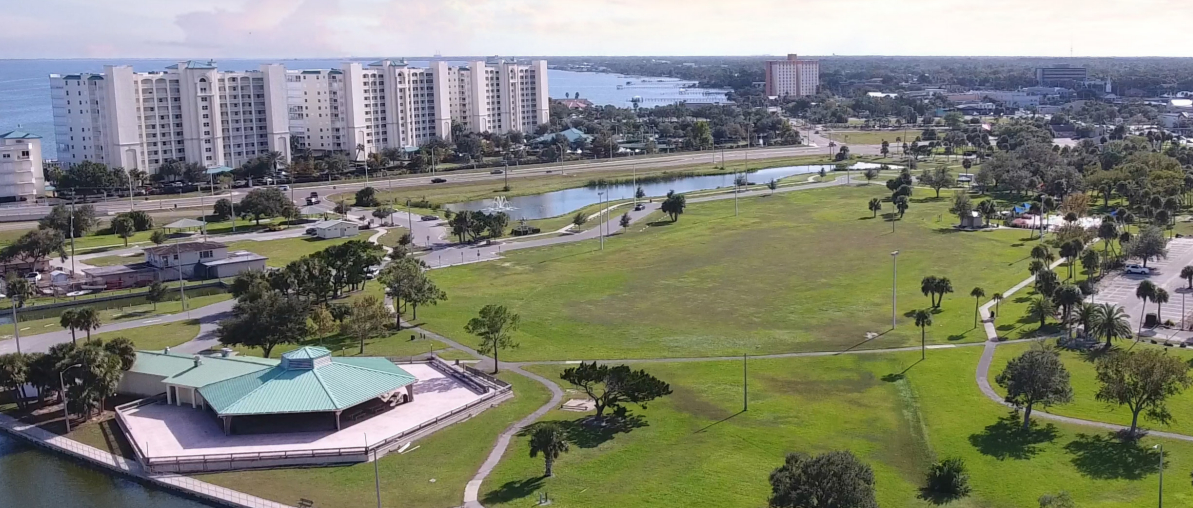

Heavy Seas in The Recovery Zone Force 24 Hour Delay
Blue Origin was forced to delay their attempt to launch New Glenn on its first mission until early Monday morning, due to high seas in the landing area for the first stage. The launch window opens at 1:00 AM (0600 UTC) early Monday and extends until 4:00 AM (1000 UTC) the same day.


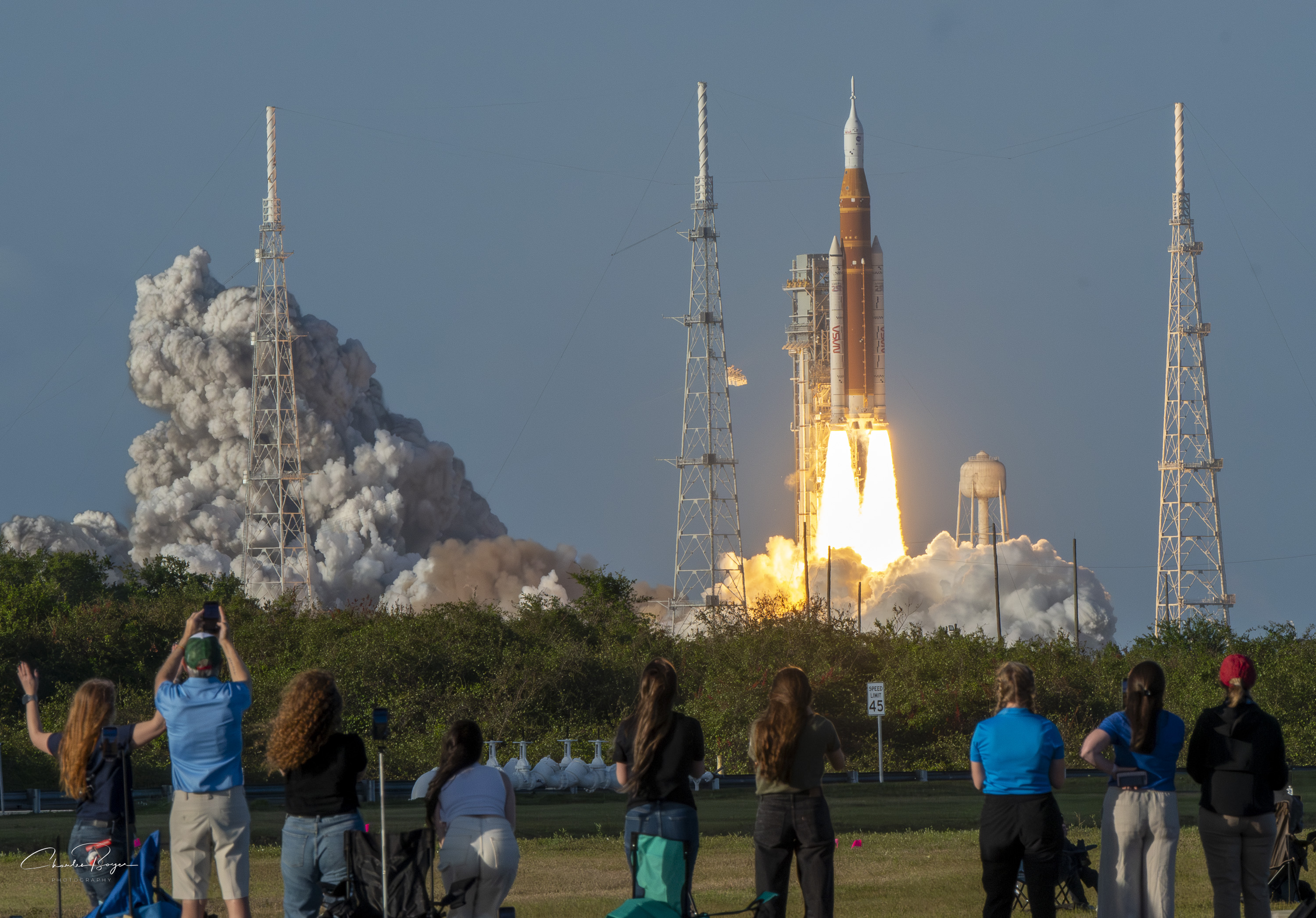
Photo: Charles Boyer / FMN
Ten-foot seas were expected overnight Sunday in the area where Blue Origin’s recovery ship ‘Jacklyn’ and its support ship ‘Harvey Stone’ are located. Those swells were enough for the company to delay one day, when conditions in the Atlantic are expected to improve.
Weather Forecasts
The 45th Weather Squadron of Space Launch Delta 45 at Patrick Space Force Base and Cape Canaveral Space Force Station is the best source for weather forecasts where launches are concerned and their latest Launch Mission Execution is the official weather forecast.
At LC-36: 90% GO
Offshore: Heavy seas in the recovery zone are expected to calm somewhat, with 5-6 seas forecast. This is down from 10-foot seas early Sunday.

That is a definite improvement for tomorrow, but concerns seem to shift to the launch site if another delay or a scrub were to occur as is noted above.

About New Glenn

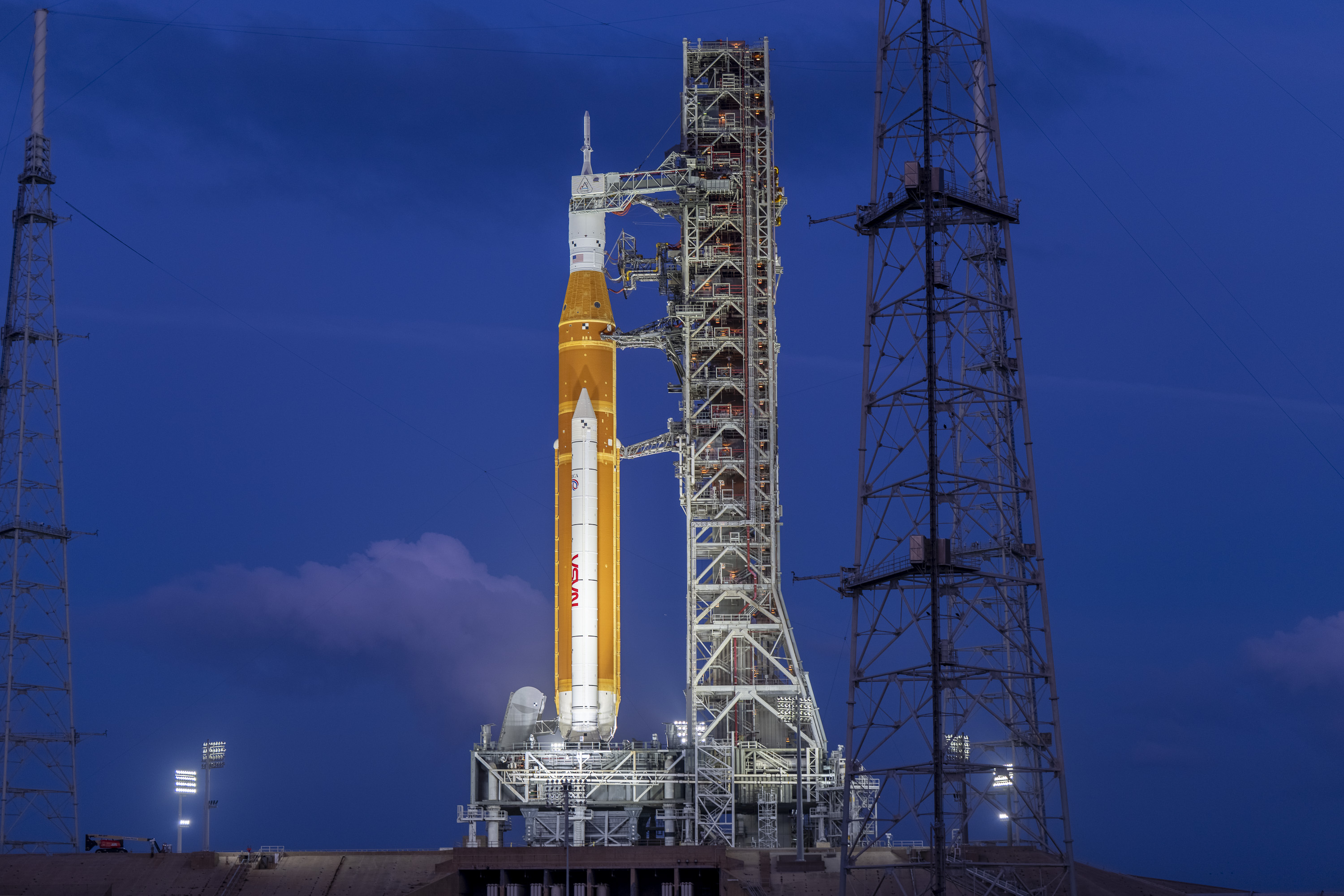
Photo: Charles Boyer / Talk of Titusville
Standing at approximately 98 meters (322 feet) tall, New Glenn is a two-stage rocket with an optional third stage for specific missions. The rocket’s first stage is powered by seven BE-4 engines, fueled by liquefied natural gas (LNG) and liquid oxygen (LOX). New Glenn’s first stage produces 3.85 million pounds of thrust, about half of Saturn V, and roughly a quarter of SpaceX’s Starship Heavy.
Stage 1 is designed for reusability, capable of landing on an ocean-based platform for refurbishment and subsequent launches.
New Glenn’s second stage is powered by two BE-3U vacuum-optimized engines,which liquid hydrogen and liquid oxygen as their propellant.
New Glenn’s massive payload fairing, with a diameter of 7 meters (23 feet), is one of the largest in the industry, allowing it to carry a wide variety of payloads, including satellites, cargo, and interplanetary missions when the rocket is fully operational.

New Glenn’s lift capacity is 45 metric tons (nearly 99,000 pounds) to low Earth orbit (LEO) or 13 metric tons (approximately 28,660 pounds) to geostationary transfer orbit (GTO).
New Glenn’s development began before 2013 and was officially announced in 2016. The rocket is named in tribute to NASA astronaut John Glenn, the first American to orbit Earth.
On its first mission will carry a prototype Blue Ring spacecraft. This mission marks the first in a series of demonstration launches necessary to achieve certification for the National Security Space Launch program.

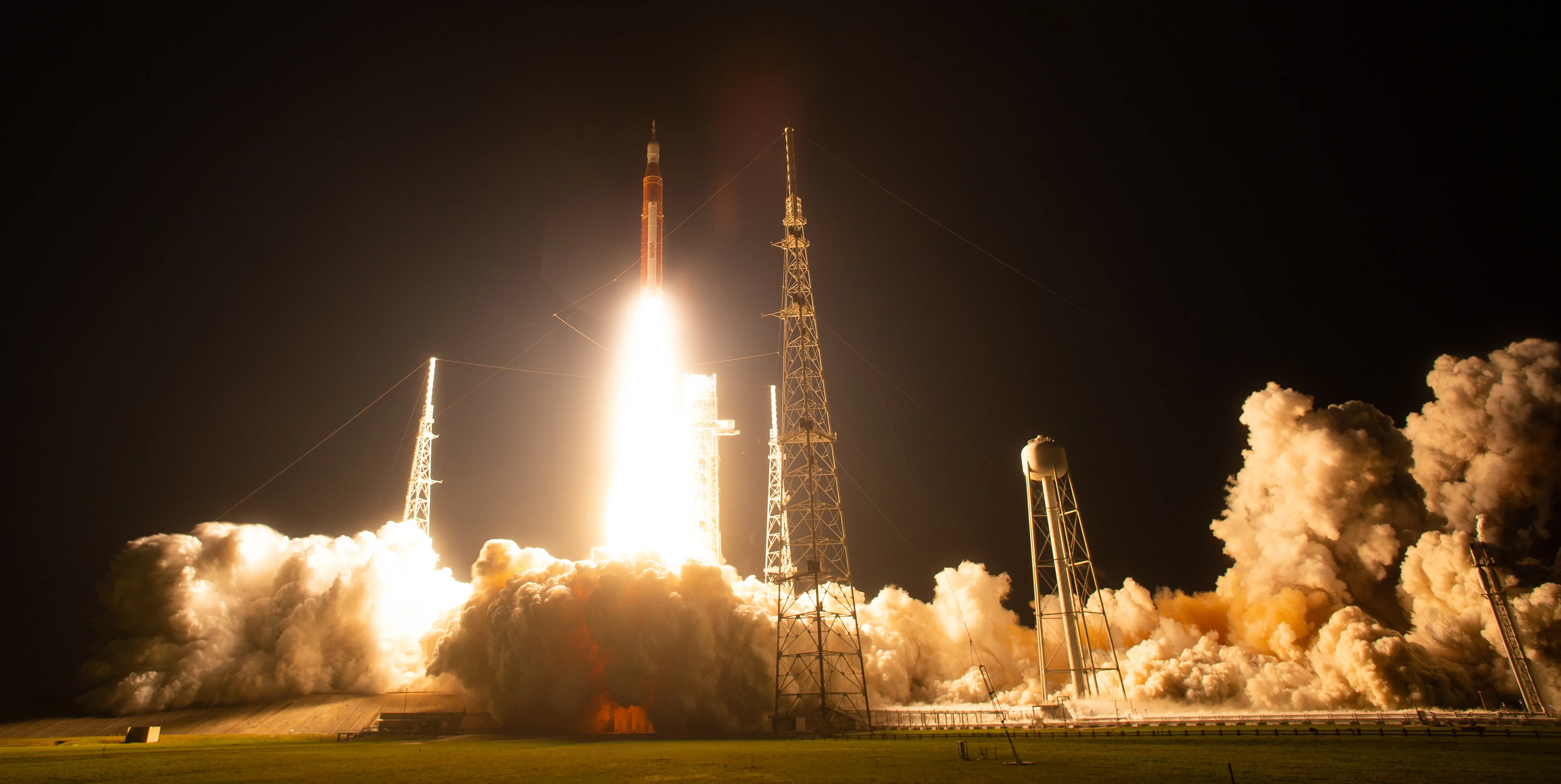
Photo: Charles Boyer / Talk of Titusville

Author: Charles Boyer
NASA kid from Cocoa Beach, FL, born of Project Apollo parents and family. I’m a writer and photographer sharing the story of spaceflight from the Eastern Range here in Florida.


Leave a Reply