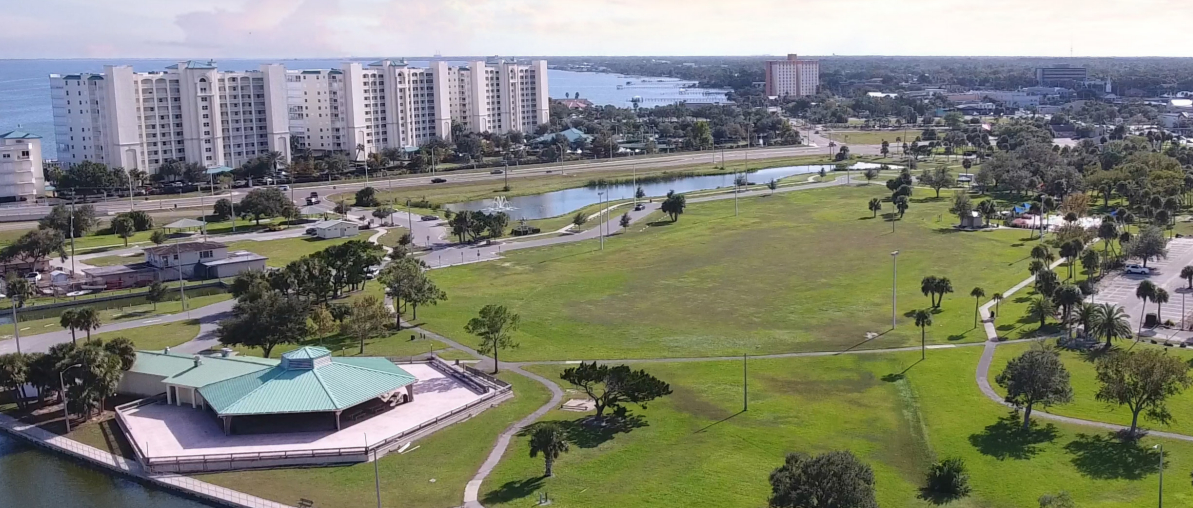

SpaceX is set to launch the privately-crewed Fram2 mission aboard a SpaceX Crew Dragon this evening from Launch Complex 39A at Kennedy Space Center. Liftoff is scheduled for 9:46 PM ET, with subsequent launch windows at 11:20 PM ET, followed by 12:53 AM and 2:26 AM on Tuesday, April 1st.

Photo: SpaceX
What Is Fram2?
The mission draws its name from the polar exploration ship Fram, which served Norwegian explorers such as Fridtjof Nansen and Roald Amundsen between 1893 and 1912. Fram became well-known for its polar expeditions, and now resides in a museum in Oslo. While Fram navigated icy waters of Eart’s polar regions, Fram2 will explore those same areas from a polar orbit.

Mission Commander Chun Wang, a Maltese citizen, will lead a diverse crew that includes filmmaker and artist Norway’s Jannicke Mikkelsen as the vehicle commander, Australia’s Eric Philips as the vehicle pilot, and Germany’s Rabea Rogge as a mission specialist.
This will be the crew’s first trip to space.
Trajectory
The trajectory of Fram2 presents a unique challenge and opportunity. Unlike standard launches, this mission will employ a polar trajectory heading southward nearly 90 degrees from its launch site. This has never been done before on a crewed mission, but the trajectory will allow passes over each pole every orbit.

As the spacecraft ascends, it will skirt along Florida’s east coast before crossing the Straits of Florida and flying over Cuba. The trajectory will offer dramatic views as Fram2 passes overhead of the Palm Beach area in south Florida before easing farther offshore. For residents of that region, tonight’s flight will offer them the closest view of a Falcon 9 ascending as they have ever seen.


Weather
The 45th Weather Squadron has not published any Launch Mission Execution Forecast for the mission this evening.
The National Weather Service’s general forecast for Kennedy Space Center is calling for a 30% chance of storms in the area this evening. They continue that the storms are expected to taper off after 9PM, good news for a planned 9:26 PM liftoff so long as the timing of the storms diminishes on time and before final launch preparations begin.
Fram2 Scientific Objectives
Fram2’s mission objectives include investigating “unusual light emissions resembling auroras.” The crew will specifically focus on green fragments and mauve ribbons of light, phenomena that echo the characteristics of STEVE (Strong Thermal Emission Velocity Enhancement), previously noted at altitudes of approximately 400 to 500 kilometers above Earth. This study could provide new insights into atmospheric physics, potentially shining light on phenomena that have puzzled scientists for years.


Photo: SolarMax website
The Fram2 crew will undertake studies to gain more knowledge of the causes and effects of Space Motion Sickness (SMS), which affects roughly 60% to 80% of astronauts within the first few days of their exposure to microgravity.
Its symptoms mirror those of traditional motion sickness—nausea, vomiting, fatigue, general discomfort, and a loss of appetite. SMS is considered part of Space Adaptation Syndrome (SAS), a broader condition that also includes headaches, back pain, and facial congestion due to fluid redistribution toward the head.
Fram2’s astronauts will also continue the work started by researchers at the Medical University of South Carolina in Charleston. Those researchers are seeking a deeper understanding of the effects on the human body of short-term spaceflights, and the Fram2 crew will undergo before and after MRI tests in order to provide data to that end.
All four Fram2 passengers will undergo the same MRI scans that the Polaris Dawn crew did. This research aims to expand scientists’ understanding of how stints in microgravity, which is known to shift fluids in the brain, affect astronauts.
Additionally, the Fram2 astronauts will study blood flow, bone health, glucose regulation, cognition and other effects and procedures of spaceflight. The official list of experiments is below:

Author: Charles Boyer
NASA kid from Cocoa Beach, FL, born of Project Apollo parents and family. I’m a writer and photographer sharing the story of spaceflight from the Eastern Range here in Florida.


Leave a Reply