

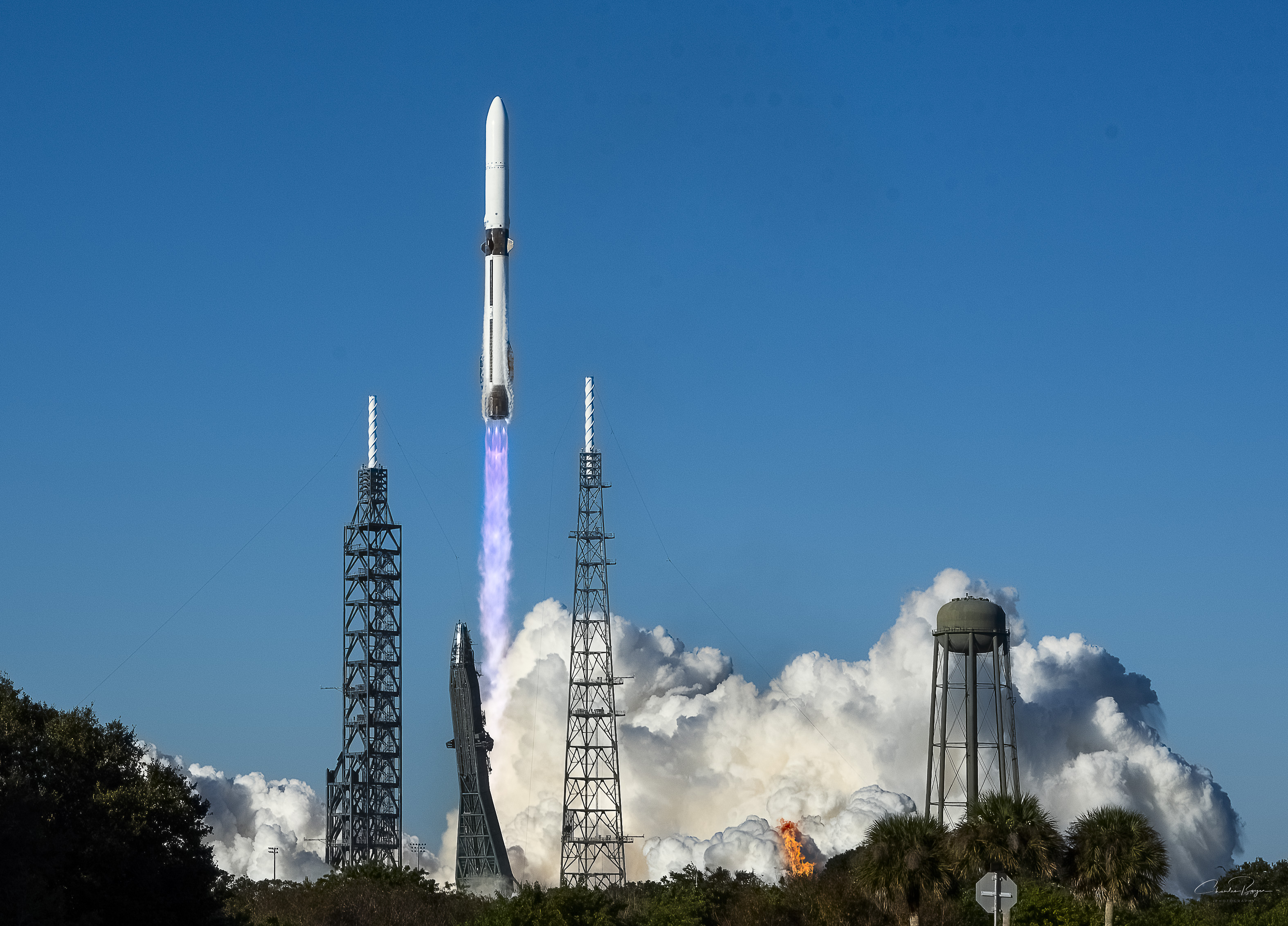
As expected, the FAA is requiring an investigation into Blue Origin’s New Glenn’s first stage failure during its descent towards an attempted landing in the Atlantic Ocean:

While it is unlikely that any property or persons were placed in danger by the failure event, this is a normal requirement for any launch failure by a commercial launch provider that is not operating under a NASA or DoD launch license.
Regarding the investigation, Blue Origin stated, “We’re working closely with the FAA and submitted our initial findings within 24 hours. Our goal is to fly New Glenn again this spring. Our mission was a success – our lone objective was to reach orbit while noting that landing our booster, “So You’re Telling Me There’s a Chance,” hundreds of miles offshore would be a bonus.”
FAA Responsibilities
The FAA requires all commercial spaceflight operators to comply with regulations outlined in 14 CFR Part 450, which governs the licensing and operational requirements for launch and reentry activities. A failure during a launch triggers immediate protocols, including mandatory reporting to the FAA. Operators must notify the FAA within 24 hours of a mishap, defined as any event resulting in fatalities, serious injuries, or significant property damage. Incidents involving public safety, such as debris landing in unauthorized areas, also require immediate reporting.
The FAA oversees the mishap investigation process, ensuring operators adhere to safety and procedural requirements. The investigation team, often led by the operator and monitored by the FAA, examines the root causes of the failure. Detailed reports, including telemetry data, video evidence, and witness statements, must be submitted to the FAA for review. The agency may impose corrective actions or additional safety requirements to prevent similar incidents.

Additionally, the FAA ensures compliance with insurance and financial responsibility requirements under 51 U.S.C. § 50914. This includes compensation for third-party damages resulting from launch failures. Given that the failure was over the Atlantic Ocean, this is unlikely to apply to the case of the Blue Origin first stage failure.

Author: Charles Boyer
NASA kid from Cocoa Beach, FL, born of Project Apollo parents and family. I’m a writer and photographer sharing the story of spaceflight from the Eastern Range here in Florida.

Leave a Reply