

Photo: Charles Boyer
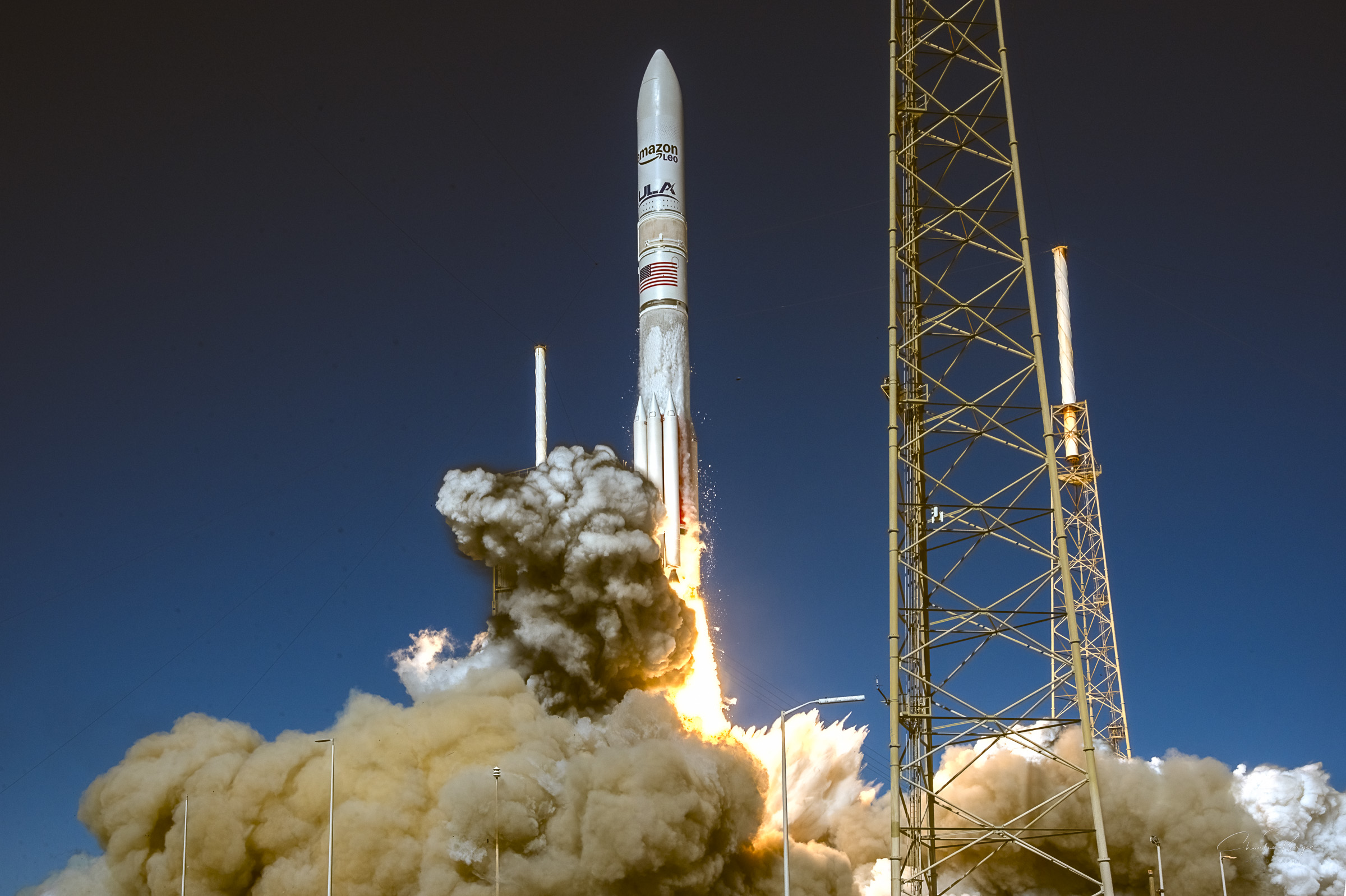
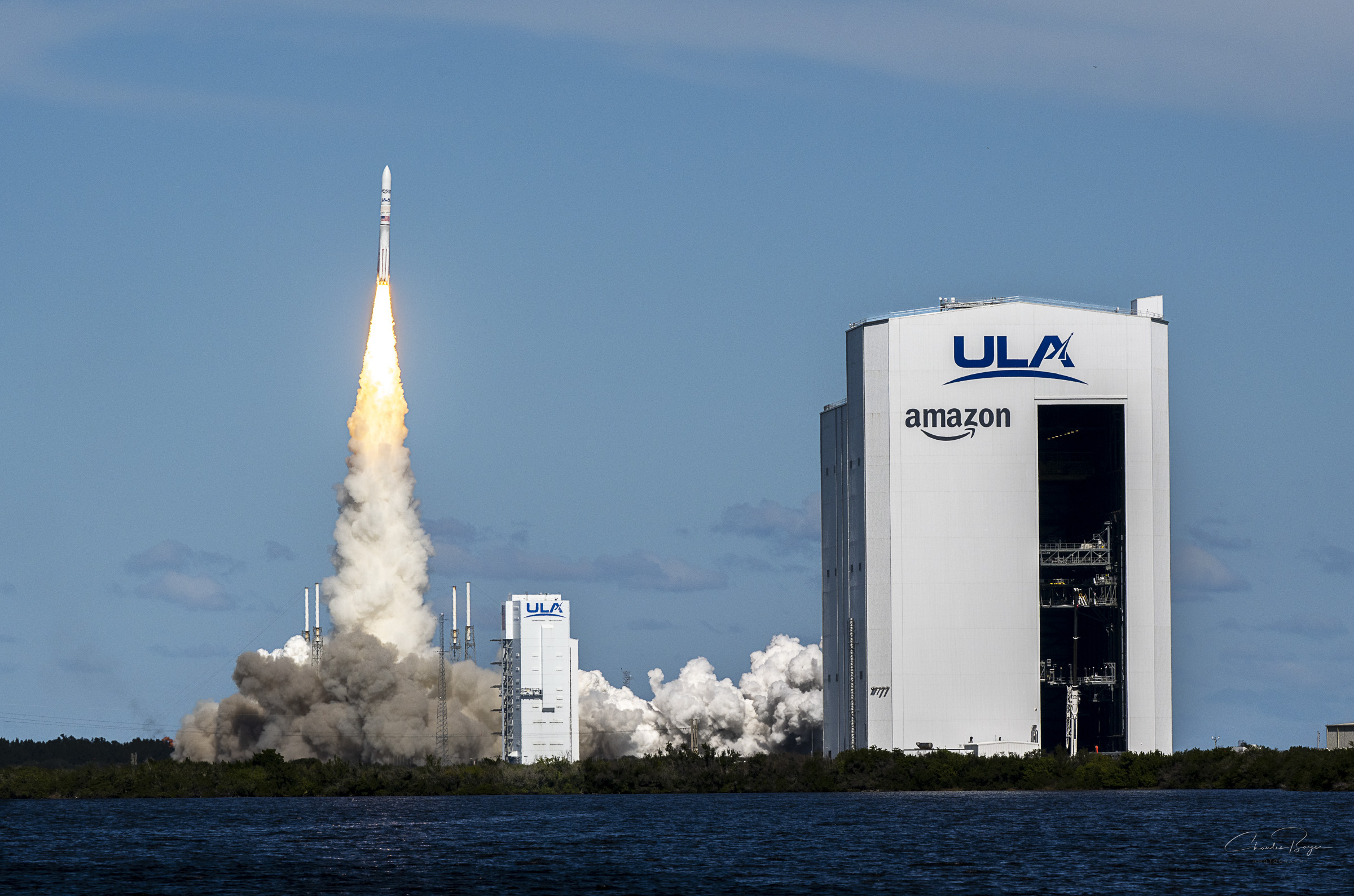
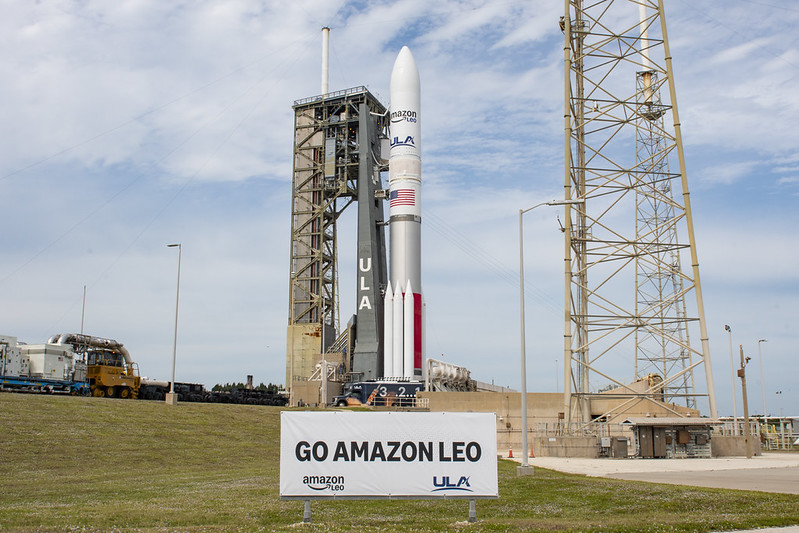
United Launch Alliance said Tuesday that early data points to the core stage of its Vulcan rocket as the source of Sunday’s failed Amazon Leo 1 mission, with the stage underperforming almost immediately after liftoff from Space Launch Complex 41.
The update, posted to ULA’s blog at 9:30 a.m. EST, is the first technical detail the company has released since the rocket fell short of orbit with 40 Amazon Leo satellites aboard.

According to ULA, the core stage showed low performance just after liftoff. As a result, stage separation happened at a lower altitude and slower speed than the minimum needed to reach orbit. Telemetry and the mission were lost about 10 minutes into flight. Whether the rocket’s flight termination system triggered was not stated.

Photo: Charles Boyer
Upper Stage And GEM 63XL Boosters Look Clean, For Now
Tuesday’s update effectively narrows the focus to the core stage. ULA said the Centaur V upper stage started normally and its RL10 engines operated as planned, but the stage could not make up for the shortfall it inherited at separation. Sunday’s launch was the first flight of the shorter, LEO-optimized version of Centaur V.
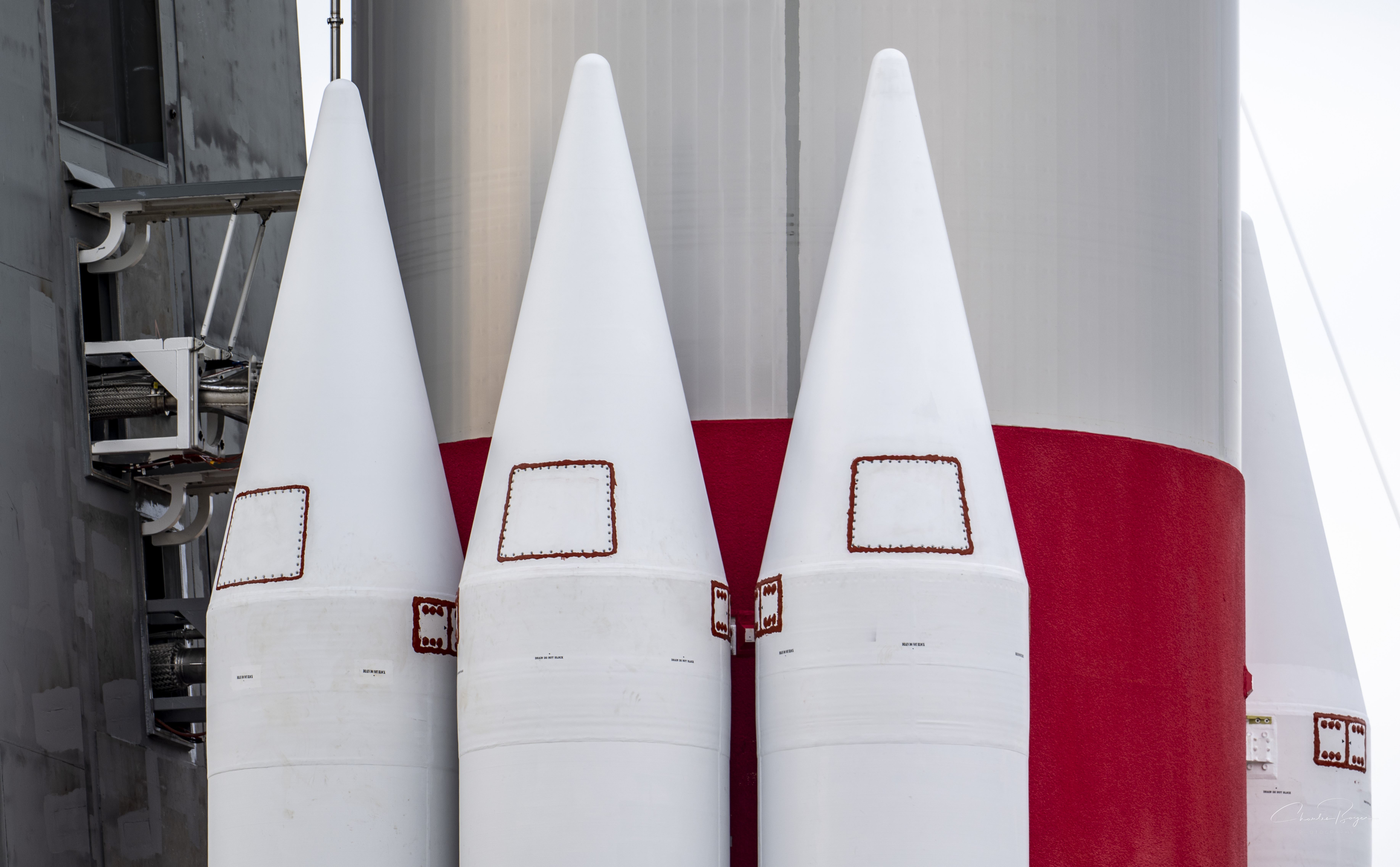
The six solid rocket boosters also appeared to perform nominally, ULA said, following nozzle improvements made for this launch. That is notable given Vulcan’s track record. A Northrop Grumman GEM 63XL lost its nozzle on the Cert-2 flight in October 2024, and another booster malfunctioned on the USSF-87 mission in February, prompting a Space Force pause on Vulcan launches.

Sunday’s flight was also the first to carry six solid rocket boosters, so the clean bill of health on that front is a meaningful data point for ULA. The lack of any issues for the Centaur second stage is also a relief to Artemis mission planners, as Centaur and the Rocketdyne RL-10 engine that powers it are both key elements of the future SLS second stage.
What It Points To
Vulcan’s core stage is powered by two Blue Origin BE-4 engines burning liquefied natural gas and liquid oxygen. ULA has not named the engines or any other component as a cause, and low stage performance can stem from a number of sources. The company has only described what the vehicle did, not why.

Photo: ULA
As Talk of Titusville reported Sunday, the BE-4 engines appeared to burn longer than planned and Centaur separation came later than expected. Tuesday’s update is consistent with what observers saw from the ground.
If the BE-4 does end up at the center of the investigation, the consequences would reach well beyond ULA. Blue Origin’s New Glenn, grounded since a May pad explosion and targeting a return to flight in January 2027, uses seven BE-4 engines on its first stage. New Glenn is a major part of the Artemis program, and delays with New Glenn’s return to flight could easily have a knock-on effect on the nation’s moon program as well.
What Comes Next
Vulcan remains grounded while the investigation continues. Amazon purchased 38 Vulcan launches for its Leo broadband constellation, and the company had said a second Vulcan mission could follow within weeks of the first. That schedule now depends entirely on the results of the investigation and the time that it takes to develop, test and qualify the fixes.
Amazon is not without options. It also holds launch contracts with Arianespace, Blue Origin and SpaceX, and an Ariane 6 flight carrying Leo satellites is scheduled for November 23rd.
National security missions already delayed by the earlier solid rocket booster problem could slip further. ULA said it understands the impact on its customers and is committed to returning to flight as safely and quickly as possible.

Leave a Reply