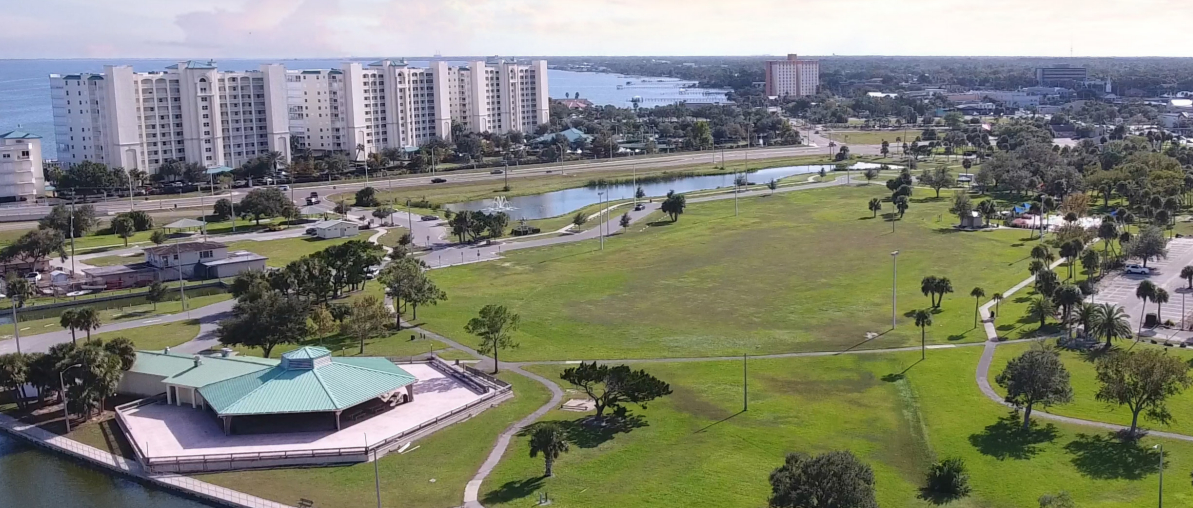

The U.S. Space Force is installing a multi-million dollar counter-drone system at Cape Canaveral Space Force Station to protect the world’s busiest spaceport from increasing aerial threats.

Col. Brian L. Chatman, commander of Space Launch Delta 45, announced the deployment in December 2025. He said the new infrastructure provides “holistic coverage over the Cape, as opposed to pockets of coverage” currently available.

The system uses radio frequency electronic warfare to jam unauthorized drones rather than kinetic defenses. Engineers calibrated the technology to neutralize threats without interfering with civilian air traffic or launch communications.
Rising Security Concerns
Officials said the upgrade was driven by lessons from Ukraine, where cheap commercial drones have destroyed expensive military vehicles.
Drone activity over domestic bases has surged effectively. Gen. Gregory Guillot, commander of U.S. Northern Command, testified that military installations recorded 350 drone detections in 2024.

Incidents jumped 82% the following year to approximately 420 incursions. Guillot described the frequency as “between one and two incursions per day” at Department of Defense facilities.
“The primary threat I see for them in the way they’ve been operating is detection and perhaps surveillance of sensitive capabilities on our installations,” Guillot said.
Sen. Mark Kelly, D-Ariz., suggested foreign adversaries are likely behind some incursions. He noted that overhead drone surveillance provides better intelligence than traditional perimeter observation.
Record-Breaking Launch Tempo
The security enhancements come as the Eastern Range manages an unprecedented operational tempo. Cape Canaveral completed 109 successful orbital launches in 2025, a 17% increase over 2024.
Chatman projects the range will handle up to 300 launches annually in the near future. The new security system is designed to protect these operations while managing a complex electromagnetic environment.
Modernization Efforts
The counter-drone project is part of the Space Force’s $1.3 billion “Spaceport of the Future” program. The initiative funds infrastructure upgrades through 2028, including road expansions and utility improvements.
The Air Force Research Laboratory and National Reconnaissance Office are partnering on the rollout. Implementation will continue over the next couple of years as engineers resolve spectrum deconfliction challenges.
Local Impact
Security measures have also tightened at nearby Patrick Space Force Base. The installation began 100% identification checks at all entry points in January 2025.
Officials maintain a “No Drone Zone” reporting system for the community. Residents can report unauthorized drone activity to Space Launch Delta 45 Public Affairs at 321-494-5940.

Author: titusvillemedia
Raised on the Space Coast, I want to keep North Brevard informed of what's happening. Send Tips / Story Ideas to TitusvilleMedia@gmail.com



Leave a Reply