

The Artemis II mission will mark humanity’s return to lunar exploration with a crewed spacecraft for the first time since Apollo 17 in December 1972. NASA’s Space Launch System rocket and Orion spacecraft will carry astronauts Reid Wiseman, Victor Glover, Christina Koch, and Canadian Space Agency astronaut Jeremy Hansen on an approximately 10-day journey around the Moon and back to Earth.
The launch window opens on April 1, 2026, with additional opportunities on April 7th, 8th, 10th, and 11th. Launch will occur from Launch Complex 39B at Kennedy Space Center—the same historic pad complex that sent Apollo astronauts to the Moon aboard Apollo 10. After that, LC-39B was reconfigured for the Space Shuttle program, serving as the launch site for 53 missions.
Last update: March 18, 2026
See also:
Traveler’s Guide To The Artemis II Launch
Artemis II Viewing Map (Desktop Version)
How To Take A Launch Streak Shot
Possible Launch Dates:

As of today, March 18th, NASA plans to return SLS to the launch pad at LC-39B on the 19th or 20th of this month.

Keep that word in mind — official — because it trumps all other information.
A rollout on either [March 19 or 20] would still preserve the possibility of launching as early as Wednesday, April 1, though teams continue to keep an eye on the weather forecasts. The April launch window includes opportunities through Monday, April 6, as well as Thursday, April 30.
Here are the weather criteria for rollout:

After SLS arrives at the pad and work towards reconnecting ground services and other on-pad tasks has started, expect NASA to announce a target launch date and time. That’s the one to keep an eye out for.
So, while you still have some time, here’s some information about coming to town and viewing the launch:

Understanding the Launch Location
Most visitors to the Space Coast do not realize that there are actually two space launch centers in Florida: Kennedy Space Center (KSC), operated by NASA, and Cape Canaveral Space Force Station (CCSFS), a US Space Force base. They adjoin one another and form a contiguous area, but each has its own management and security.
Launch Complex 39B is located at Kennedy Space Center, on the northern end of the Cape. This is important for selecting your viewing location—LC-39B is significantly farther north than SpaceX’s SLC-40 at Cape Canaveral Space Force Station, which means the optimal viewing spots are different.

via: NASA
For Artemis II, the Titusville area offers some of the best public viewing, as it sits almost directly across the Indian River from LC-39B. Port Canaveral and Cocoa Beach, while still offering views, are considerably farther away.
Proximity to the launch pad is important for seeing ignition and liftoff, but it matters less and less as the rocket climbs into the sky. That’s because it will be rising rapidly, affording everyone an opportunity to see it well. That being said, if you can’t get viewing tickets at the Saturn V Center, don’t fret too much — you’re going to get a great look anywhere in the Space Coast region so long as the skies are clear at launch time.
Best Public Viewing Spots for Artemis II
In a nutshell, here are some good spots to consider:
Best Public Viewing Spots for Artemis II
| Area | Spot | Distance | Notes |
|---|---|---|---|
| KSC (Ticketed) | Banana Creek / Apollo-Saturn V Center | ~3.9 mi | Premier viewing for LC-39 launches. Ticketed via KSCVC. Info |
| Titusville | Max Brewer Bridge & Parrish Park | ~11.1 mi | Elevated bridge vantage. Excellent for LC-39 launches. Fills very quickly. |
| Titusville | Space View Park | ~11.6 mi | Iconic riverfront viewing. Live audio feeds. Very popular—arrive early. |
| Titusville | Rotary Riverfront Park | ~11.8 mi | Open river views; good parking. Less crowded alternative. |
| Titusville | Kennedy Point Park | ~12.0 mi | Long riverfront; good tripod space. Near marina. |
| Titusville | Space Bar (Rooftop) | ~11.5 mi | Rooftop view with food/drinks. Check hours. |
| Port Canaveral | SR-528 Bennett Causeway pull-offs | ~14.5 mi | Open causeway views. Farther but still viable. |
| Port Canaveral | Jetty Park | ~14.6 mi | Beach and pier access. Good for families. Fees |
| Cape Canaveral | Cherie Down Park | ~15.2 mi | Beach access. Dunes may block first seconds. |
| Cocoa Beach | Alan Shepard Park | ~17.4 mi | Beachfront. Named for America’s first astronaut. |
| Cocoa Beach | Cocoa Beach Pier | ~16.8 mi | Horizon view over ocean. Tourist crowds. |
Potential obstruction Fee, paid parking, or ticket required
Note: Distances are approximate straight-line measures to LC-39B. Access, hours, fees, and closures may change—verify before launch day.
Looking Closer at the Options
Banana Creek Viewing Area (Apollo-Saturn V Center) – ~3.75 miles

UPDATE: Tickets went on sale for KSCVC options on January 23, and sold out in 30 minutes. Check their site, but it may be too late for this option.
This is the viewing location for Artemis II. Kennedy Space Center Visitor Complex offers ticketed viewing at the Apollo-Saturn V Center, which sits almost directly across the Banana Creek from LC-39B. This is as close as the general public can get to a launch from LC-39B.
The experience includes bleacher seating, live commentary from NASA, and the unparalleled backdrop of the actual Saturn V rocket displayed inside the center. For a once-in-a-generation mission like Artemis II, this is worth the investment. If you have kids or grandkids who want to go, there are few events that are more exciting than this.
Pricing: Expect premium pricing for Artemis II—this is a historic mission. Tickets are in addition to standard KSCVC admission and parking. Prices for other premium launches have been as high as $250 per person, and it is reasonable to expect KSCVC to have similar price tags on Artemis II ducats.
Important: Read the KSCVC Scrub Policy carefully before purchasing. If the launch scrubs after you’ve used transportation to the viewing site, your ticket may be considered “used.” Contact the Visitor Complex directly with questions, they are the only ones that can give official information about their policies.
Max Brewer Bridge & Parrish Park (Titusville) – ~10.75 miles
For free public viewing, the Max Brewer Bridge area is arguably the best spot for an LC-39B launch. The elevated bridge provides clear sightlines across the Indian River directly toward the launch pad. Parrish Park at the base of the bridge offers parking and waterfront access.
Arrive extremely early. For a mission of this magnitude, expect the bridge and surrounding areas to fill up many hours—potentially the night before for a daytime launch. The February launch windows are evening opportunities and that may attract even larger crowds. Parking will be in high demand, and the early birds get the best spots.
Stay tuned for news about closures and plans that the city may have for Max Brewer.
Space View Park (Titusville) – ~11.1 miles
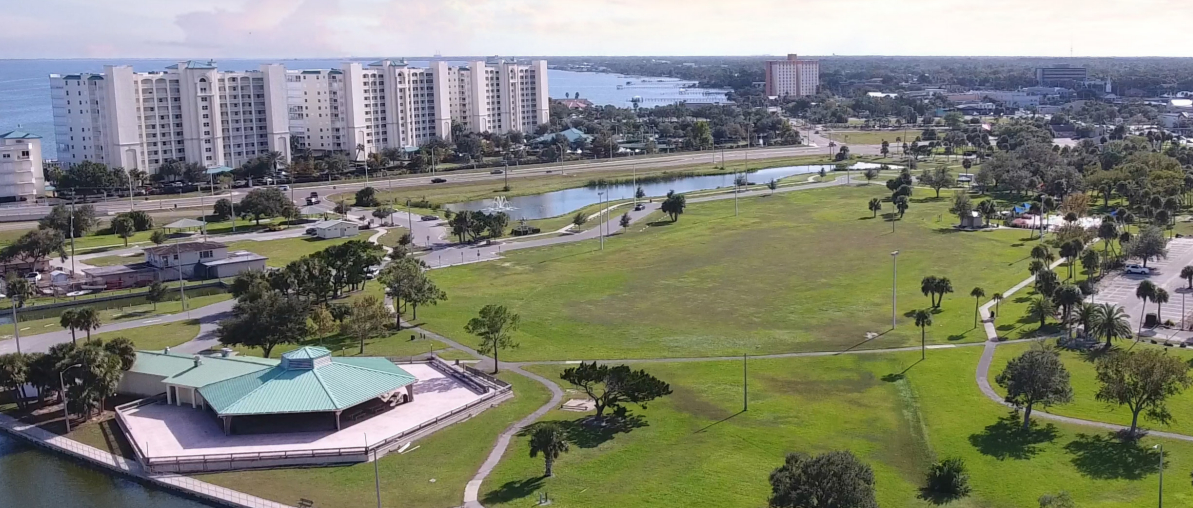
Space View Park is one of the most famous public viewing locations on the Space Coast, featuring the Space Walk of Fame and often hosting live NASA audio feeds during launches.
The park sits on the Indian River, with direct views of Kennedy Space Center. It’s across the Max Brewer Bridge from the Merritt Island National Wildlife Refuge entrance to Kennedy Space Center and is one of the closest off-base sites you can view the launch from.
For Artemis II, expect this park to be packed. Arrive as early as possible. The park has restrooms and is walking distance from downtown Titusville restaurants and shops.
Rotary Riverfront Park (Titusville) – ~11.5 miles
A popular local alternative to the more crowded Space View Park, Rotary Riverfront Park offers similar views with typically easier parking. It’s a good choice for families or those who want a slightly less hectic experience, but it too will be crowded for Artemis II.
Kennedy Point Park (Titusville) – ~ 11.75 miles
Located next to a marina, Kennedy Point Park offers a long stretch of riverfront with ample space for tripods and photography equipment. It’s less well-known than Space View Park, making it a good option for those seeking a bit more elbow room.
William J. Manzo Memorial Park – ~12 miles
A hidden gem, this small riverfront park offers unexpectedly great views across the Indian River. Small is the operative word, so it will be a good idea to settle in early here if that’s your plan.
Space Bar (Titusville) – ~12.1 miles
If you want to combine launch viewing with food and drinks, Space Bar’s rooftop offers excellent views toward LC-39B. Check their website for more information as the launch approaches , and expect it to be crowded for Artemis II.
Reservations, if available, would be very wise.
KARS Park – ~14.5 miles

UPDATE: KARS Park announced on February 2nd that they will not be open to the general public for launch viewing of Artemis II.
KARS Park is located on Kennedy Space Center property and offers good views across the water toward LC-39B, even if you are looking along the shoreline a long way. KARS is a great place to see the rocket after it lifts off as it is on the banks of the Banana River with a clear view over Cape Canaveral Space Force Station.
Entry requires a fee, and you must verify the park’s status before launch day—access to KSC property can be restricted for major launches. Unauthorized entry is trespassing on federal property.
KARS will be crowded, but it will be out ahead of the crowd after the launch.
Check KARS Park on Facebook for the latest access information.

Port Canaveral Area – ~14-16 miles
The Port Canaveral viewing spots—including SR-528 pull-offs and Jetty Park—are farther from LC-39B than from the Cape Canaveral launch pads. You’ll still see the launch clearly, but the experience will be much less dramatic than viewing from Titusville.
Jetty Park remains a good family-friendly option with beach access, a pier, and amenities. Just be aware that cruise ships or port infrastructure can occasionally obstruct views. That’s not as likely for a night launch in February as it might be for day launches in later windows.
Cocoa Beach – ~20+ miles
Alan Shepard Park and Cocoa Beach Pier offer views of the launch, but at 20 miles distance, the rocket will appear smaller. These locations are better suited for casual viewing than for diehard space fans who want to be in the middle of the action.
Tips for Artemis II Viewing
Arrive early—very early. This is the first crewed Moon mission in over 50 years. Public interest will be enormous. For popular locations like Space View Park and Max Brewer Bridge, consider arriving the night before for a morning launch, or at least 4-6 hours early.
Check the launch time. The February 2026 window includes several potential dates. NASA will confirm the actual launch date after the wet dress rehearsal (scheduled for no later than February 2). Monitor NASA’s Artemis blog for updates.
Sound travels slowly, about 5 miles per second. At 7 miles, expect the sound to reach you about 35 seconds after liftoff. At 15 umiles, it’s over a minute. Be patient—the rumble is worth the wait.
Have a well-charged smartphone to keep up with the status of the launch. Social media sites from official sources can be invaluable, as are livestreams on Youtube. NASA, Spaceflight Now and NASA Spaceflight are three of the best. NASA’s stream is, of course, the official one.
Bring essentials: Chairs, sunscreen (even in February), water, snacks, and binoculars. A camera with a telephoto lens will help capture the rocket as it climbs*. You won’t need the chairs if you have tickets to view at Kennedy Space Center, nor will you need water and snacks because they will be nearby.
SLS is loud. The Space Launch System generates 8.8 million pounds of thrust at liftoff—more than the venerable Saturn V. Even from Titusville, you’re going to feel its low frequency rumbles deep in your chest. Some say it is ground-shaking, but that’s apocryphal except for viewers at the Saturn V Center.
Car Alarms Get Set Off By Launches. Don’t be surprised if it’s yours.
Plan for a lot of traffic leaving: build in time to get out of the viewing areas after the launch. Traffic will be bad everywhere. It’s simply a part of the viewing experience.
* I recommend NOT trying to photograph the launch, as watching it is a visceral experience not to be missed. Buy one of the prints that will be for sale later.
What You’ll Witness
Artemis II will send four astronauts farther from Earth than any humans have ever traveled. Commander Reid Wiseman, Pilot Victor Glover, and Mission Specialists Christina Koch and Jeremy Hansen will loop around the Moon before returning to Earth at approximately 25,000 mph—the fastest any humans have ever reentered Earth’s atmosphere.
Victor Glover will become the first person of color to travel to the Moon. Christina Koch will become the first woman. Jeremy Hansen will become the first non-American. All of them might end up as the farthest-traveling crew to date.

Standing on the shores of the Indian River or the sands of Cocoa Beach, you’ll watch the 322-foot-tall rocket rise on twin pillars of flame from the launch pad. LC-39B has been used in the past for Saturn V Apollo missions as well as Space Shuttle missions.
The ground won’t shake from 7 miles away—that’s a myth—but the deep rumble of those solid rocket boosters rolling across the water is something you’ll remember for the rest of your life.

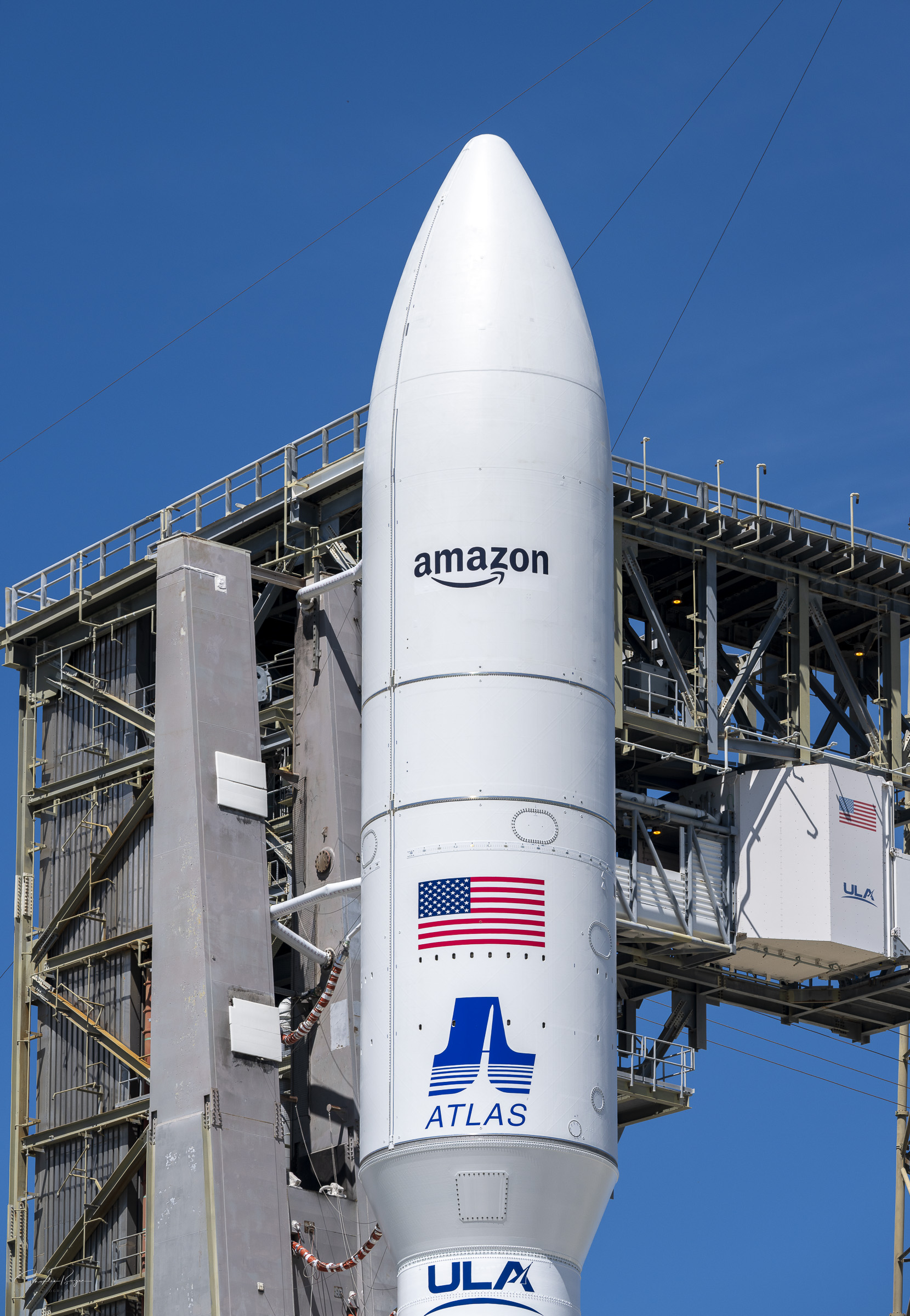
Photo by Charles Boyer

Author: Charles Boyer
NASA kid from Cocoa Beach, FL, born of Project Apollo parents and family. I’m a writer and photographer sharing the story of spaceflight from the Eastern Range here in Florida.



Leave a Reply