


SpaceX issued an update today outlining their planned path forward for Starship, its lunar lander variant, and another affirmation that the Moon plays a critical role in its long-term plan to establish a sustained human presence beyond Earth.
At the heart of the effort is Starship, a fully reusable, two-stage launch vehicle that SpaceX says is designed “for Moon, Mars, and beyond.” But the Moon is up first. The vehicle is being adapted to support both cargo and crewed lunar missions with plans to use both.
SpaceX is a key player in NASA’s Artemis program. Its lunar Starship variant was selected as the Human Landing System (HLS) for Artemis III—the mission that will return astronauts to the Moon for the first time since 1972. That landing, targeting the lunar south pole, could happen as soon as the late 2020s, depending on development progress of the lander and other key equipment, such as the EVA suits the astronauts will use once they get there.
In parallel, SpaceX is preparing its own launch infrastructure both here on the Space Coast and at Starbase in south Texas, where flight tests are steadily ramping up. The goal: make rapid reusability and high payload capacity a routine part of deep space logistics.infrastructure like rovers, habitats, and power systems. The Eastern Range will serve as the operations launch site, with support from Texas. Meanwhile Texas will continue its role as the R&D center for Starship.
What’s The Rush?
The Moon’s south pole is a region believed to hold water ice within permanently shadowed craters. This resource is key for producing oxygen, fuel, and potentially even drinking water for future astronauts, making the South Pole one of the most strategically valuable spots on the Moon.

While the Outer Space Treaty of 1967, a multilateral treaty that forms the basis of international space law, forbids any entity claiming ownership of a celestial body, it is also simple common sense that if someone establishes a base or colony on a given spot on the Moon or Mars, it is “theirs” for all practical purposes. For the Moon’s resources, getting there and establishing a permanent presence is a strategic interest for both China and the US.

Planning For Long Stays
Unlike the Apollo missions’ Lunar Module, SpaceX is building Starship for permanence. Starship is anticipated to spend extended periods in space and on the lunar surface. Artemis III, the first mission, anticipates a seven-day stay on the Moon. Artemis X, should the program get that far, could be one to six months long. Starship will need to be able to fly and carry crew after that.
NASA is also tasking SpaceX to deliver cargo to the lunar surface prior to a crewed landing. The company’s overall plan includes an uncrewed Starship Cargo variant, which will deploy essential supplies and infrastructure before astronauts even arrive, meeting NASA’s requirements. These early robotic missions will test and qualify Starship’s systems and lay the groundwork for longer stays, science operations, and industrial activity.
The Moon will serve as a proving ground for systems that SpaceX eventually wants to use on Mars: in-situ resource utilization, deep-space life support, surface mobility, and long-duration habitation. Starship will play a major role in any of those efforts and the Starship Cargo variant promises to be quite a busy set of spacecraft.
Technical Hurdles
Major technical hurdles remain. Landing Starship on the Moon requires precise control in a low-gravity environment, along with in-space refueling—something no space agency or company has done yet. There’s also the complex choreography of launching cargo missions ahead of crewed flights and assembling a sustainable support chain between Earth and the Moon. There’s a long way to go.
Still, SpaceX appears quite committed to solving these problems quickly, with an eye on both NASA’s timelines and its own broader lunar strategy. They’ve also made tremendous progress, according to their update:
| Item/Area | Purpose |
|---|---|
| Life Support & Thermal System Test | Full-scale cabin test with crew to validate oxygen/nitrogen injection, air, humidity, thermal, and sanitation controls. |
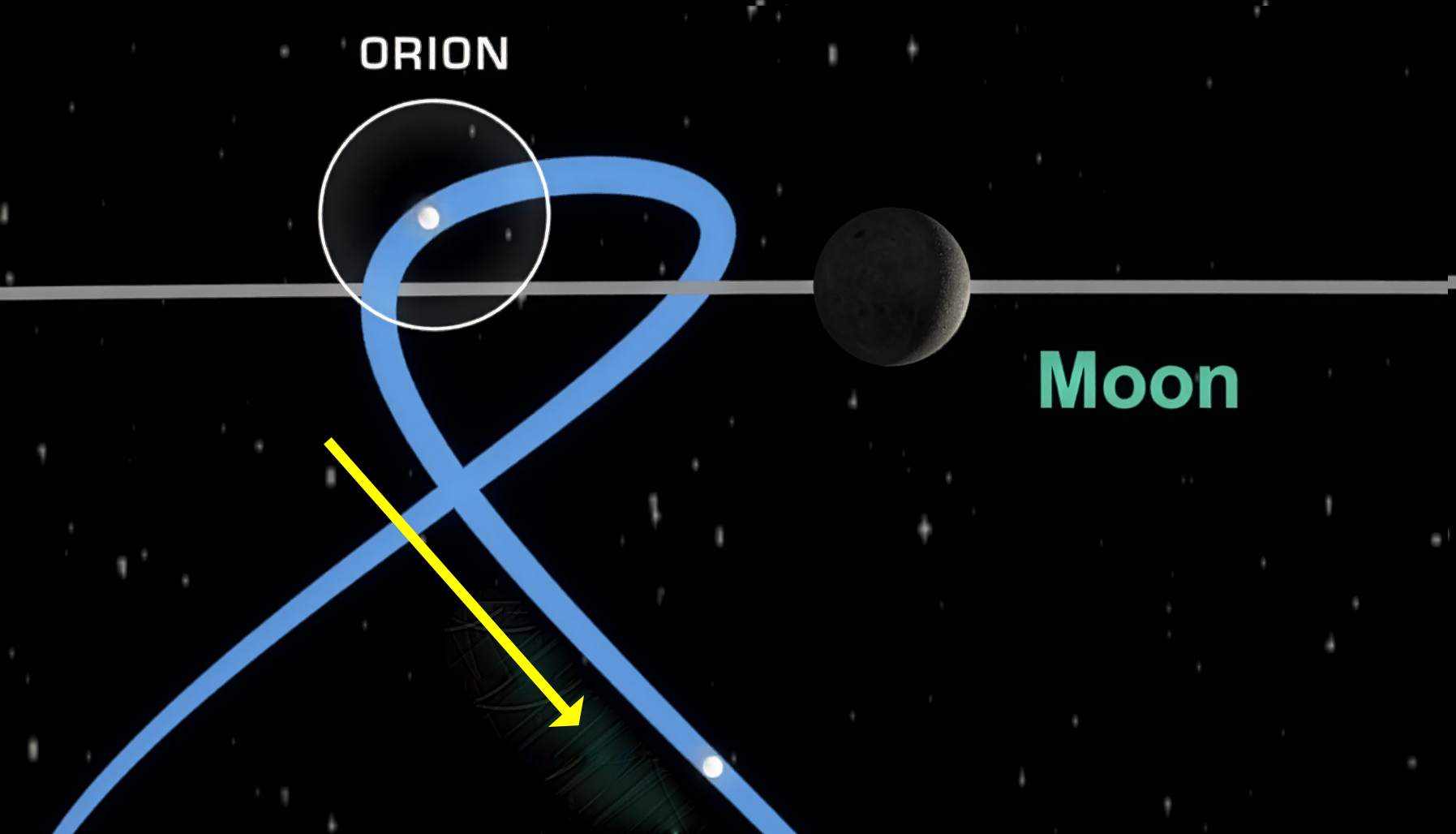
| Docking Adapter Qualification | Tests SpaceX’s docking system for Orion–Starship linkup, based on Dragon 2 hardware. |
| Landing Leg Drop Test | Dropped full-size leg article onto simulated lunar surface to study landing behavior. |
| Raptor Lunar Landing Throttle Test | Simulated lunar landing thrust profile with Raptor engine. |
| Micrometeoroid & Debris Testing | Analyzed shielding and material stackups to protect Starship from impacts and heat in space. |
| Landing Navigation Demos | Tested sensors, software, and radar for accurate lunar descent and landing. |
| Software Architecture Review | Defined control systems, fault detection, telemetry, and alert functions for lunar Starship. |
| Raptor Cold Start Demo | Simulated cold engine restarts after long exposure to space conditions. |
| Integrated Mission Ops Review | Outlined NASA–SpaceX mission plans, flight rules, and crew procedures. |
| Depot Power Module Test | Validated electrical systems for Starship propellant depot variant. |
| RF Communications Demo | Tested radio systems between Starship and ground station. |
| Elevator & Airlock Demo | Practiced crew and cargo transfer with EVA suits using the Starship elevator system. |
| Medical System Test | Validated on-board crew medical and telemedicine systems. |
| Propellant Transfer Testbed | Activated hardware-in-the-loop system to simulate in-space fuel transfer operations. |
Clearly, SpaceX has not been sitting on its hands idly waiting for the initial Starship development to conclude before starting on other aspects of the Artemis III mission and what lies beyond that. Today’s update gives insight into those efforts and demonstrates clear progress on all fronts.
Timeline
One thing missing from the SpaceX update: any sort of timeline or projection of a timeline for completion of major milestones such as ship-to-ship propellant transfers. To be fair, the company has issued timelines for when those critical milestones will be met, but in this update there are no adjustments or restatements.
It’s possible that SpaceX may be waiting for NASA to update the public on the timeline statuses of the human landing systems (Blue Origin is working on their own) as well as the status at Axiom Space of its efforts to deliver EVA suits. NASA has not made major managers for Artemis available to the press for interviews in quite some time now, something the agency should rectify after the government shutdown ends.
The Big Picture
In their update, SpaceX makes clearly that HLS and their lunar effort isn’t just about returning to the Moon—it’s about staying there. SpaceX envisions a future where regular missions bring materials, tools, and people to build out a lunar foothold that could support science, exploration, and even commercial activity.
Clearly, SpaceX has a long way to go before it is ready, but at the same time, it is extremely rare for a company the size of SpaceX to be as agile and creative as it has been and continues to be.
As former astronaut Clayton Anderson has said for years: “Never bet against SpaceX.”

Author: Charles Boyer
NASA kid from Cocoa Beach, FL, born of Project Apollo parents and family. I’m a writer and photographer sharing the story of spaceflight from the Eastern Range here in Florida.




Leave a Reply