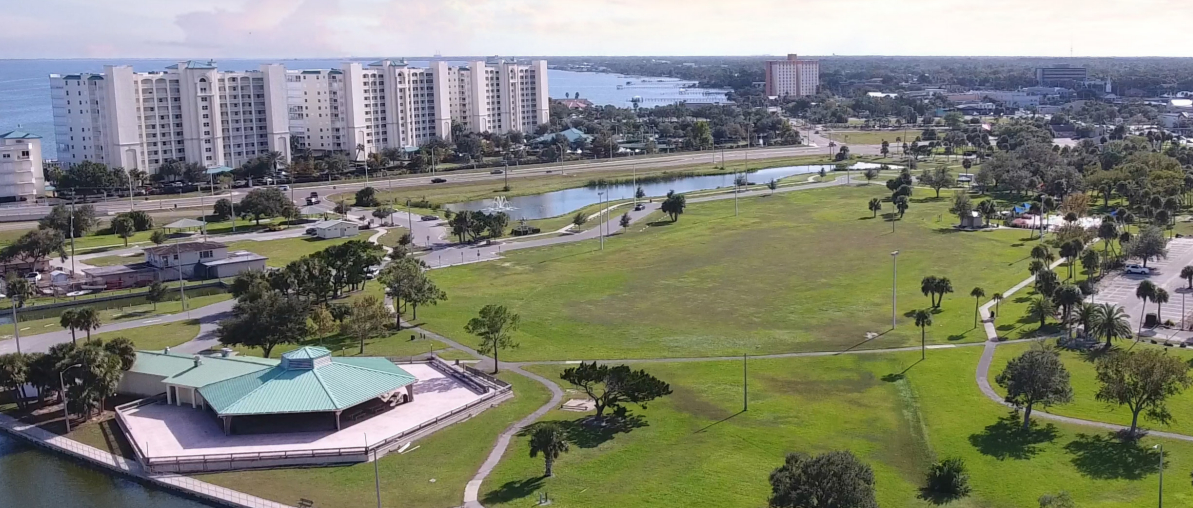

A new approach to restoring the beleaguered Indian River Lagoon might be on the horizon, as a representative from Moleaer, a leading nanobubble technology company, presented a project plan to Titusville city officials during Tuesdays Council Meeting.

The proposed initiative, located at Scobie Park, aims to combat the high levels of nitrogen and phosphorus that have plagued the waterbody for years, leading to harmful algal blooms (HABs) and poor water clarity.

The Challenge: A Lagoon in Distress
The Indian River Lagoon, a vital estuary and ecological treasure, is facing significant environmental challenges. The presentation highlighted several key issues, including excess nutrients (high nitrogen and phosphorus levels), excessive algae growth, and extensive muck accumulation.
These problems have resulted in recurring HABs, poor water clarity, and impaired seagrass growth, all of which threaten the lagoon’s delicate ecosystem. The target area for this project, near Scobie Park, encompasses approximately 750 acres with a depth ranging from one to over ten feet.
The Proposed Solution: Nanobubble Technology
Moleaer’s representative detailed a plan to install a barge-mounted nanobubble generator system in the Indian River Lagoon just off the coast of Scobie Park. This system, housed in two 20-foot sea containers with HVAC, will use their proprietary technology to create trillions of stable, charged nanobubbles.
These microscopic bubbles, invisible to the naked eye, have a high internal pressure and a negative surface charge, which helps them repel each other and remain suspended in the water column for an extended period.


The system’s specifications are impressive, capable of producing up to 4,500 gallons per minute (GPM) of treated water and generating 108 pounds of oxygen per hour. The bubbles will effectively increase dissolved oxygen (DO) and oxidation-reduction potential (ORP) levels in the water, which are critical for a healthy aquatic environment.
The installation is designed for simplicity, with the barge being secured by spuds—piles that keep it firmly in place despite changing water levels or inclement weather.

Anticipated Outcomes: A Phased Approach
The presentation outlined a timeline for the expected improvements in the lagoon’s health:
- Short-Term (1-2 months): Initial results are expected to include improved DO and ORP levels, leading to better water clarity and a reduction in fecal bacteria.
- Longer-Term (3-4 months): Over time, the system is projected to reduce or eliminate anoxic (low-oxygen) conditions at the sediment-water interface, mitigate blue-green algae loads, and reduce accumulated organic sediment (muck). The project also aims for a notable reduction in nuisance nutrient release from the sediment and significantly lower total coliform levels.
The company representative said the the initial cost of the unit is around $2 million dollars with an annual cost of around $200,000, which include electrical costs and maintenance.
Laurilee Thompson, a well-known local advocate, underscored the urgency of the situation, noting, “Everybody saw how clear the lagoon was three, even two months ago. We had water clarity that we haven’t seen in years, and the fishing was better in Mosquito Lagoon. Seagrass is coming back.”
However, she lamented the recent turn for the worse. “Now we have an algae bloom. You can’t see the bottom in 12 inches of water. I water test up at Beacon 42 boat ramp every Saturday, and as the algae blooms got worse and worse, the fishing got bad. Last Saturday, when I was up there, there were two trucks and trailers, and I talked to the kayakers that had been out fishing—they didn’t catch anything. The fish have left.”
The overall goals for the proposed project are ambitious but clear: improve water quality and seagrass growth, reduce the severity and occurrence of algae and HABs, and reduce muck. The success of the project would be monitored through key indicators such as reduced nitrogen, phosphorus, and chlorophyll levels in the water, along with increased water clarity and improved seagrass growth.





Leave a Reply