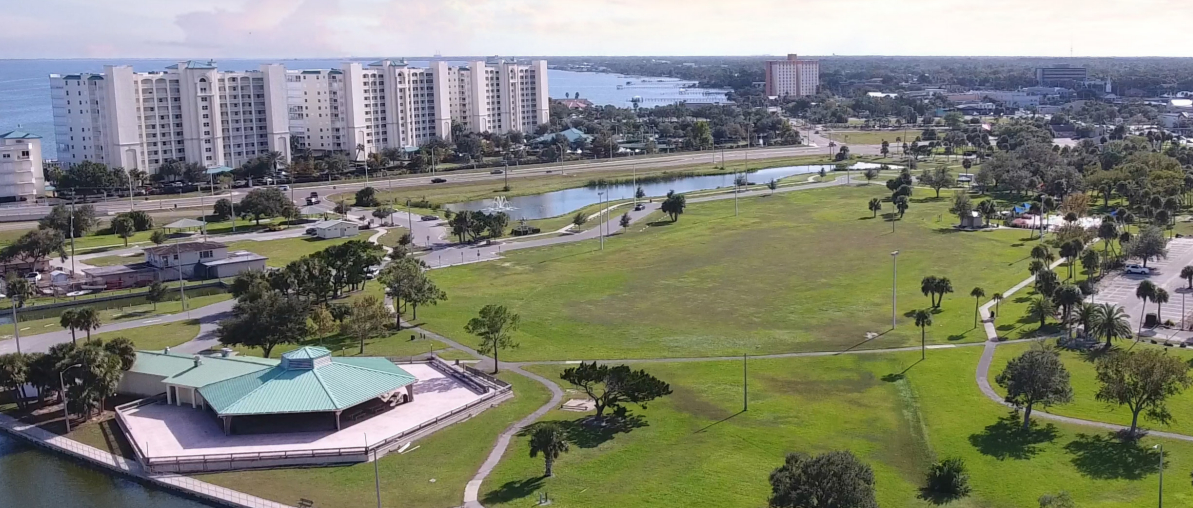


Photo: Sierra Space
On April 7, 2025, Sierra Space announced they are collaborating with Honda and Tec-Masters to test Honda’s high-differential pressure water electrolysis system aboard the International Space Station (ISS). This initiative aims to advance human habitation on the lunar surface and develop clean energy solutions applicable both in space and on Earth.

What Is Being Tested?
Honda is utilizing its experience in hydrogen fuel cell technology to create a regenerative fuel cell system, referred to as a circulative renewable energy system, designed to continuously generate oxygen, hydrogen, and electricity.
A critical element of this system is Honda’s high-differential pressure water electrolysis technology. Testing this technology on the ISS will assess its performance and dependability in a microgravity environment. This renewable fuel cell system aligns with Honda’s objective to offer advanced energy storage solutions that can support human life on the Moon.
Sierra To Lead Effort
Sierra Space will act as the mission manager for Honda, coordinating with the Center for the Advancement of Science in Space (CASIS) and NASA to transport the necessary materials to the ISS using the Dream Chaser spaceplane. Tec-Masters, Inc. will serve as the technical payload integrator, leveraging its experience in ISS payload integration and certification. Sierra Space acknowledges the potential of this technology to transform energy storage and usage, offering scalable, renewable solutions.
Ken Shields, Senior Director of Business Development at Sierra Space, stated, “The future of innovation in space is not only commercialization, but teaming arrangements between like-minded companies to advance technology we never thought imaginable in previous decades.” He added, “As we prepare for our first Dream Chaser mission to the International Space Station, this new collaboration with Honda and Tec-Masters is an additional proof point to the varied applications of our spaceplane to provide commercial transport to the space station and beyond.”
Dream Chaser is particularly suited for this program due to its cargo capacity exceeding six tons and its ability to return critical payloads to Earth under low-gravity conditions, ensuring the preservation of valuable cargo upon re-entry.
Currently, Sierra Space’s first Dream Chaser spaceplane, Tenacity, is undergoing final testing at NASA’s Kennedy Space Center in preparation for its inaugural mission to the ISS under NASA’s Commercial Resupply Service 2 (CRS-2) contract. Dream Chaser is currently slated for a launch in 2025, though no date has been specified.
Other Dream Chaser News On Talk Of Titusville


Author: Charles Boyer
NASA kid from Cocoa Beach, FL, born of Project Apollo parents and family. I’m a writer and photographer sharing the story of spaceflight from the Eastern Range here in Florida.


Leave a Reply