

WDR-2 for Artemis II is in the books at Kennedy Space Center. The test, which began Tuesday evening, concluded last night at 10:16 PM ET, ending as planned at T-29 seconds in the countdown. From an external point of view, the test was largely successful.


What Is A Wet Dress Rehearsal?
A wet dress rehearsal is the final major test a rocket undergoes before launch, in which ground teams load the vehicle with its cryogenic propellants — in the case of SLS, more than 700,000 gallons of liquid hydrogen and liquid oxygen — and then run through the entire launch countdown sequence without actually igniting the engines.
For a crewed mission like Artemis II, the stakes are even higher — the rehearsal also lets the closeout crew practice sealing the spacecraft’s hatches and validates the launch abort system’s readiness, ensuring that every procedure protecting the astronauts has been proven before they ever climb aboard. NASA will not commit to a launch date until the wet dress rehearsal data has been thoroughly reviewed and all objectives are met.

The “wet” distinguishes it from earlier “dry” rehearsals that practice countdown procedures without propellant. It’s a critical milestone because it’s the only opportunity to verify that fueling systems, ground support equipment, flight computers, and countdown procedures all work together under real-world launch conditions. Issues like hydrogen leaks, valve malfunctions, or communications dropouts that might not surface in dry runs can reveal themselves when super-cold propellants are actually flowing through the system. Those leaks surfaced during the first Wet Dress Rehearsal for Artemis II and were rectified before WDR-2 started.
WDR-2 Addressed Deficiencies From WDR-1
The rehearsal addressed objectives left unfinished from the first wet dress attempt on February 3rd. That test, which was scrubbed roughly five minutes before its simulated T-0, was halted when a spike in liquid hydrogen concentrations triggered an automatic stop. That leak was traced to seals near the tail service mast umbilical — the three-story structure that routes fueling lines to the rocket’s core stage.

Technicians replaced two seals in the affected area and later swapped out a filter in ground support equipment that was suspected of restricting hydrogen flow during a partial fueling test on February 12.
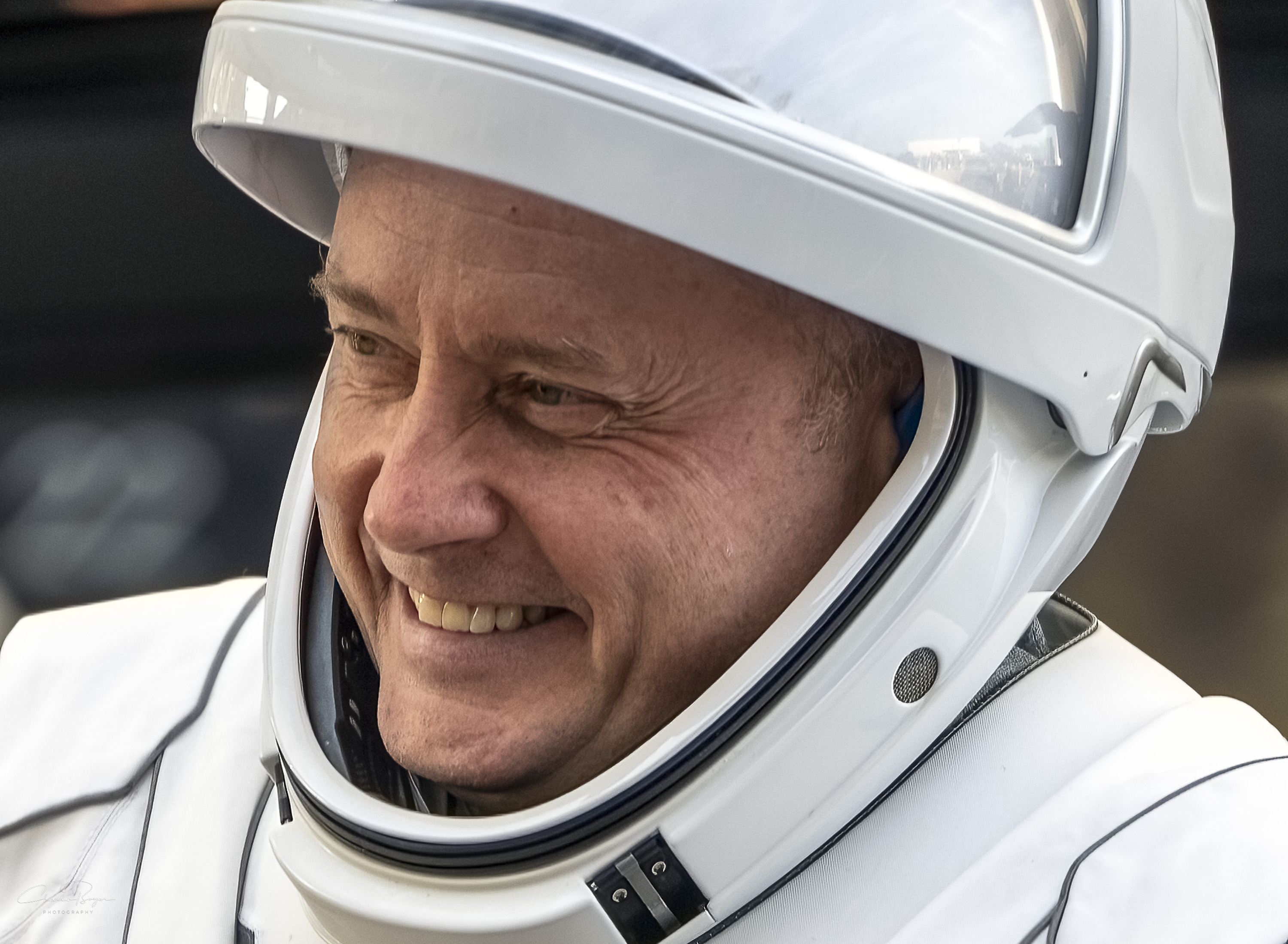
A closeout crew also practiced launch-day procedures at the pad, sealing the Orion spacecraft’s hatches and the launch abort system hatch as they would on flight day.

Photo by Charles Boyer
During Thursday’s rehearsal, hydrogen gas concentrations remained within allowable limits, giving engineers confidence in the repairs. The test was not without its own challenges — a ground communications issue in the Launch Control Center caused a brief delay in liquid hydrogen loading, and the core stage engine section temperature ran slightly below the range needed for launch conditions, prompting an extended hold at T-10 minutes. Further, the terminal countdown simulation was paused due to a booster avionics system voltage anomaly, but resumed and continued to the planned recycle point. By the end of the exercise, NASA successfully completed the full terminal count sequence, including clock recycles that simulate real-world scrub scenarios.
No Launch Date Yet
While completing the Wet Dress Rehearsal is a significant milestone, NASA and its partners will need to review data gathered during the test and then proceed to a Flight Readiness Review, where all aspects of the mission will be examined. If data reviews confirm the rehearsal’s success, launch opportunities open March 6 through 9, with an additional window on March 11.
Talk of Titusville will always be free to access.
If you love what we’re doing, please consider becoming a monthly Supporter HERE.
While the agency has not formally set a launch date, the Artemis II crew is scheduled to enter quarantine in Houston late Friday, preserving flexibility within the March launch window. While notable, that in and of itself should not be taken as a sign that a launch attempt is imminent.
NASA will hold a press conference today at 11 AM ET to discuss the test results. It’s fair to say that we will know much more about the near-term future for Artemis II, and also whether they think that the launch campaign will culminate in the March window.

Author: Charles Boyer
NASA kid from Cocoa Beach, FL, born of Project Apollo parents and family. I’m a writer and photographer sharing the story of spaceflight from the Eastern Range here in Florida.


Leave a Reply